
Pavers, Patios & Driveways
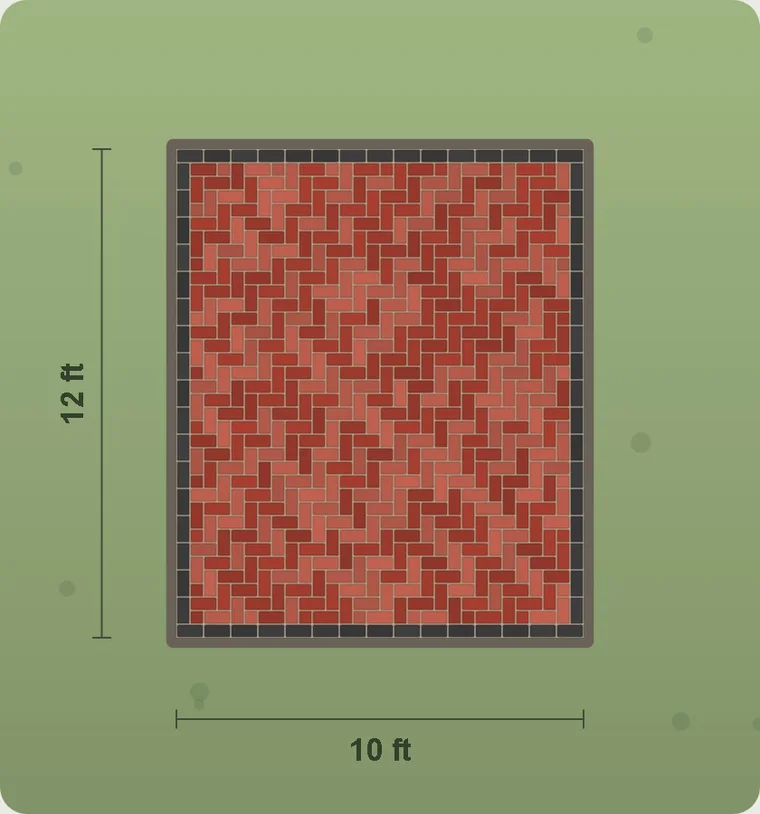
Paver Patterns Explained: Running Bond, Herringbone, Basketweave & More
A visual guide to every major paver pattern — and where each one belongs.
Read Article →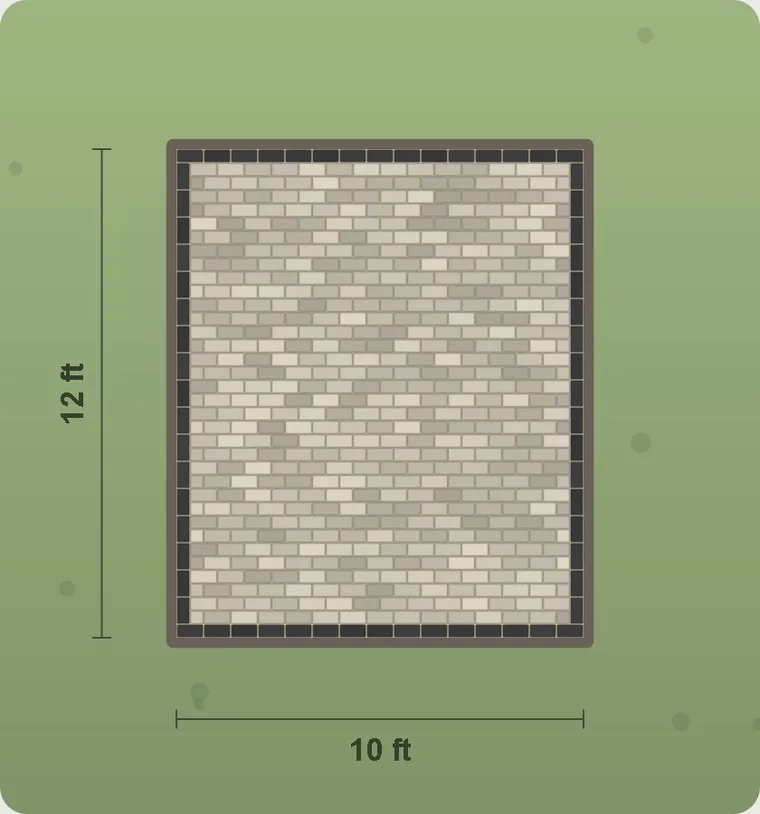
Best Paver Patterns for Walkways (CT Homeowner's Guide)
The layouts that lead the eye and hold up in a narrow path.
Read Article →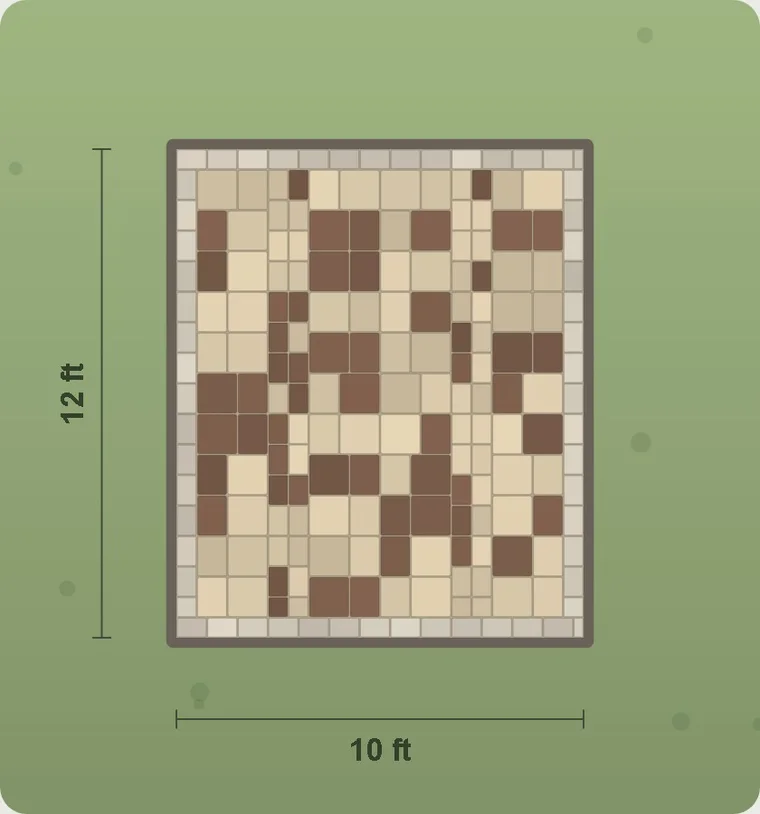
Best Paver Patterns for Patios (Ideas for CT Backyards)
Patterns that keep a large patio from looking flat and repetitive.
Read Article →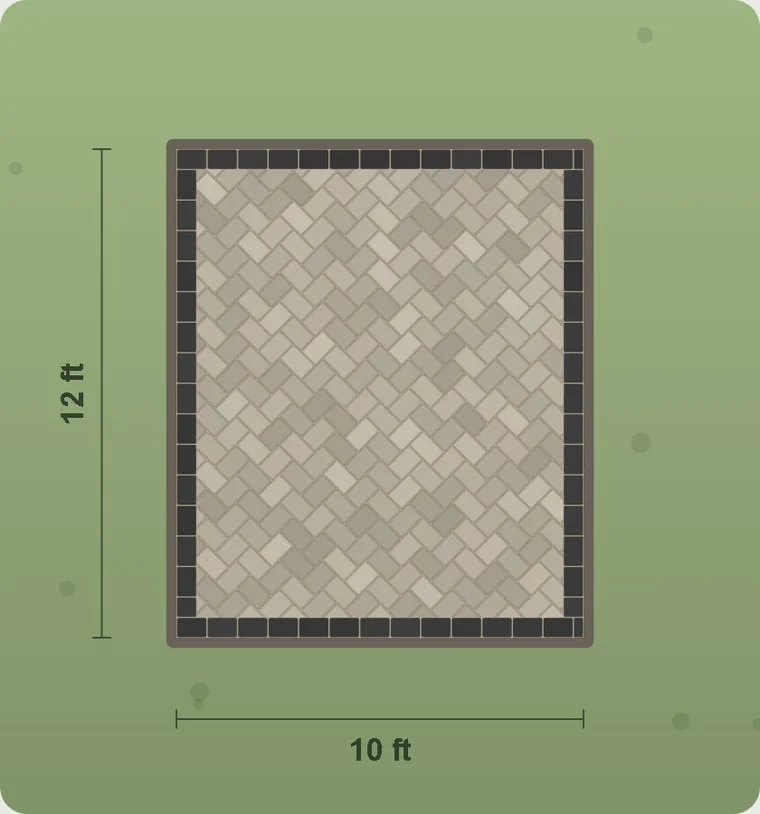
Best Paver Patterns for Driveways: Why Herringbone Wins
Why herringbone is the only pattern that truly belongs under a car.
Read Article →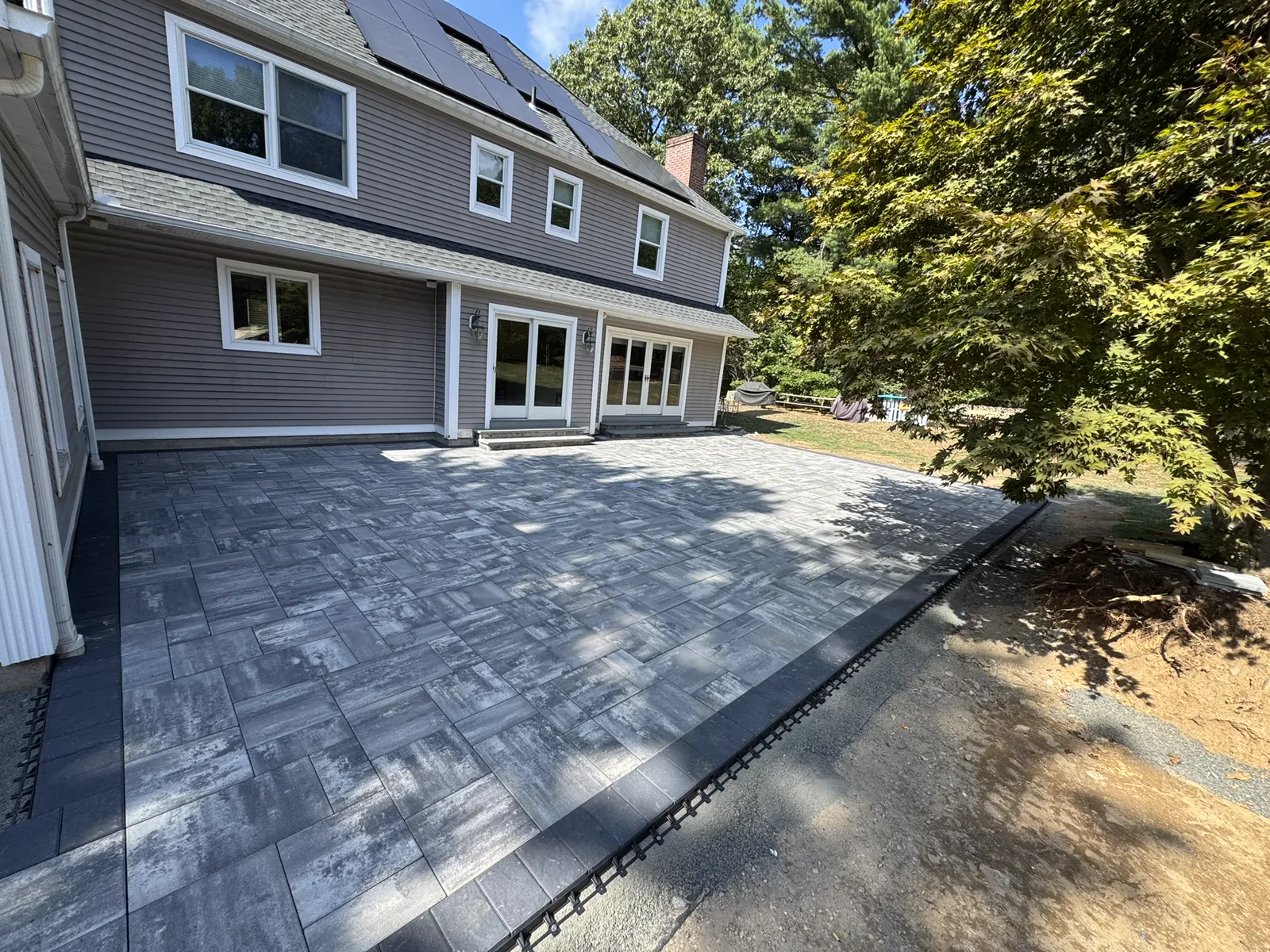
Best Pavers for Connecticut's Freeze-Thaw (What Survives Our Winters)
What actually survives our winters — and it's not the paver you'd think.
Read Article →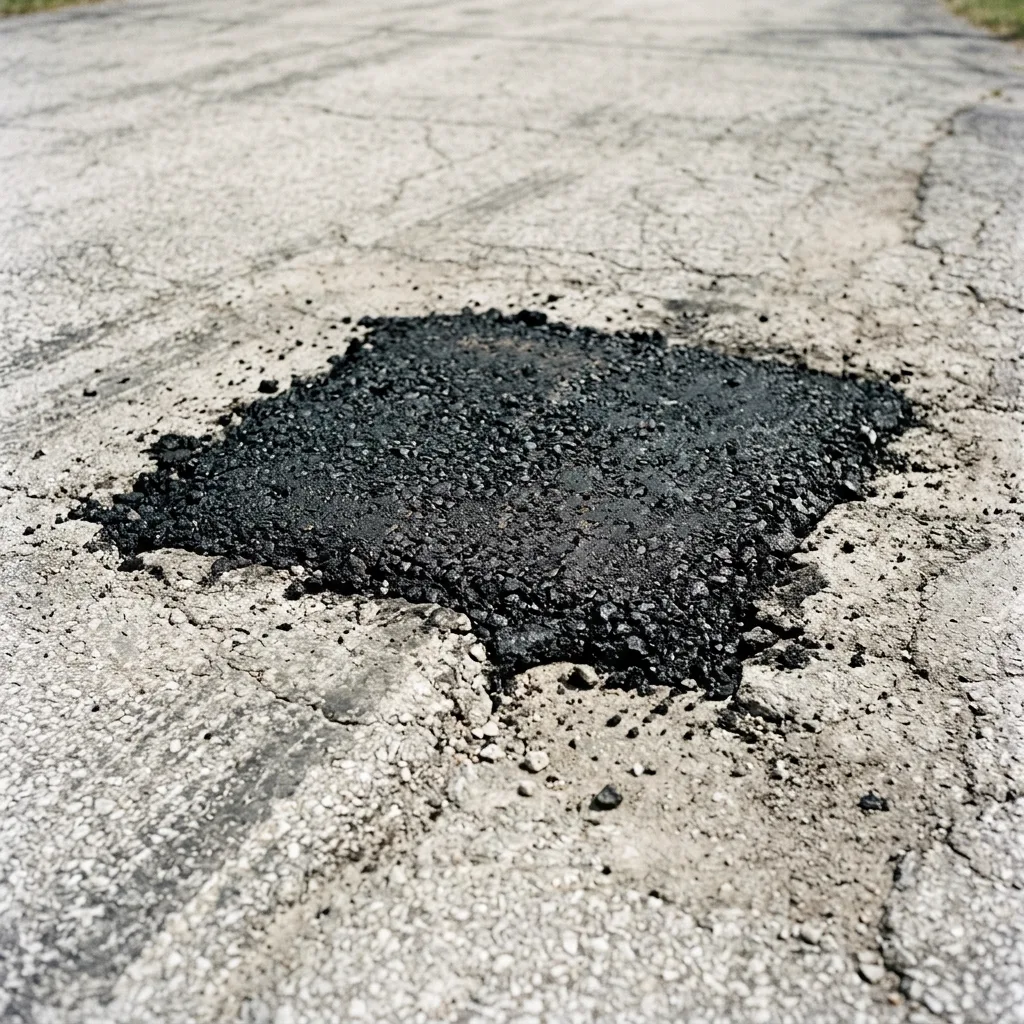
The "Ugly Patch" Problem: Comparing Driveway Repairs
When asphalt gets damaged, the patch leaves a dark scar that never matches. When a paver driveway gets damaged, it "unzips" for an invisible repair. Repairs are where pavers truly win.
Read Article →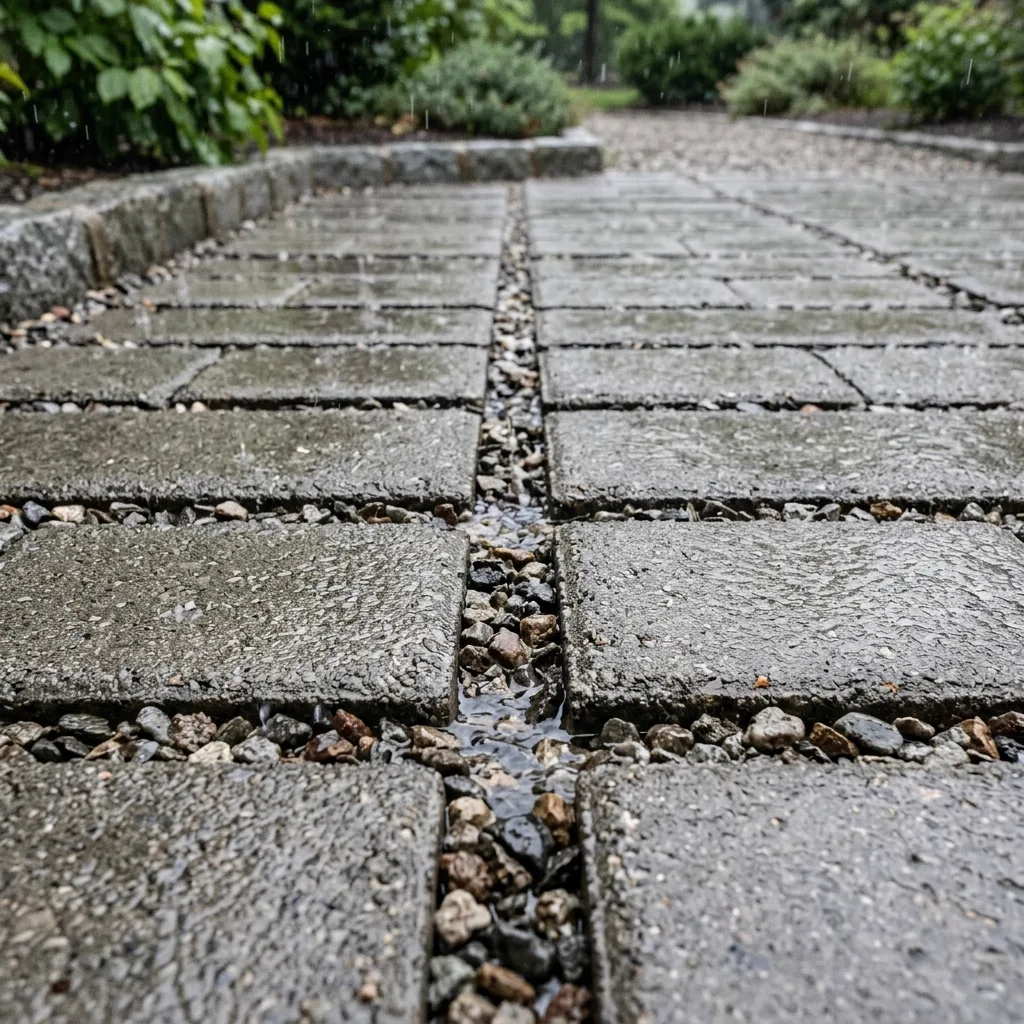
Solving Backyard Puddles: Permeable Pavers vs Concrete Slabs
Concrete fights water. Permeable pavers work with it — letting rain drain through the surface to recharge the ground below. The right answer for puddling and impervious-coverage rules.
Read Article →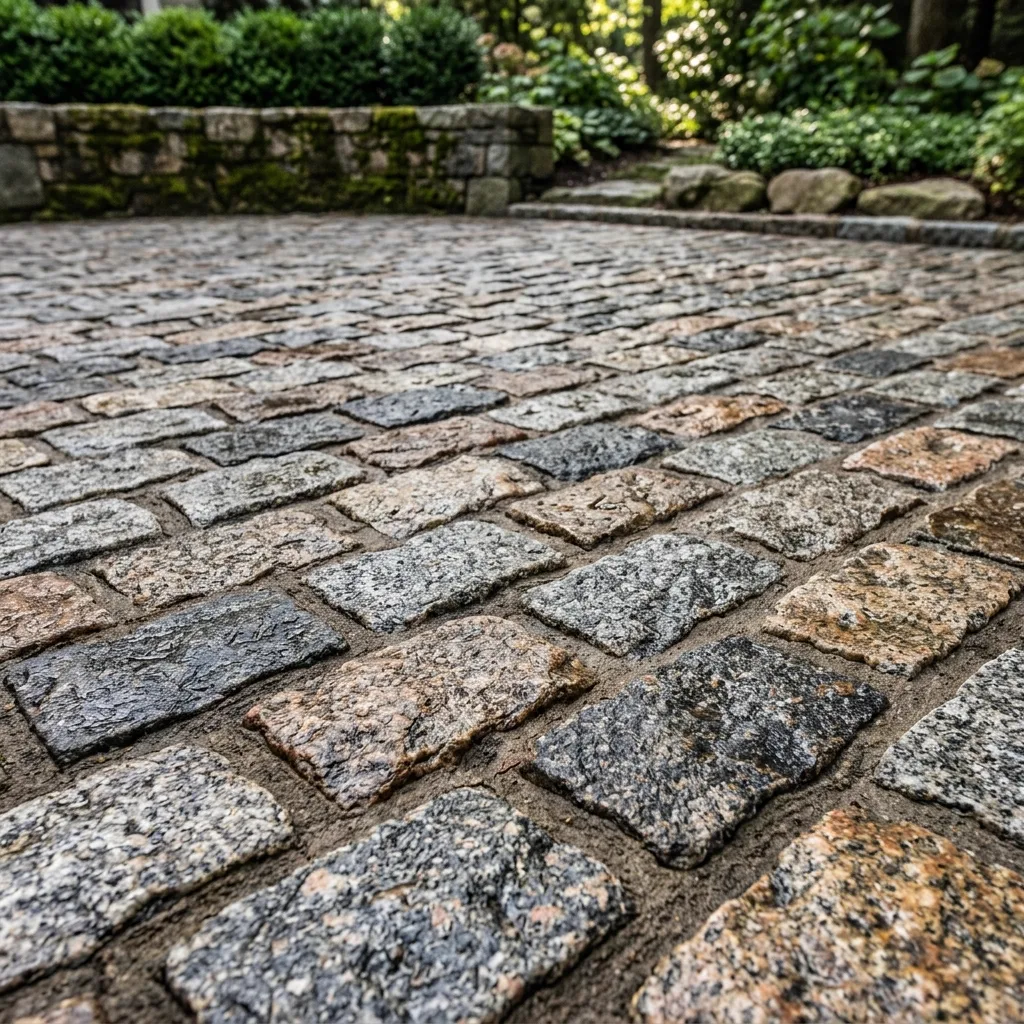
Asphalt vs Paver Driveways: Which Adds Home Value?
Asphalt is standard maintenance. Pavers are an architectural feature that real estate data shows yields 70%+ ROI. Here's the comparison that matters.
Read Article →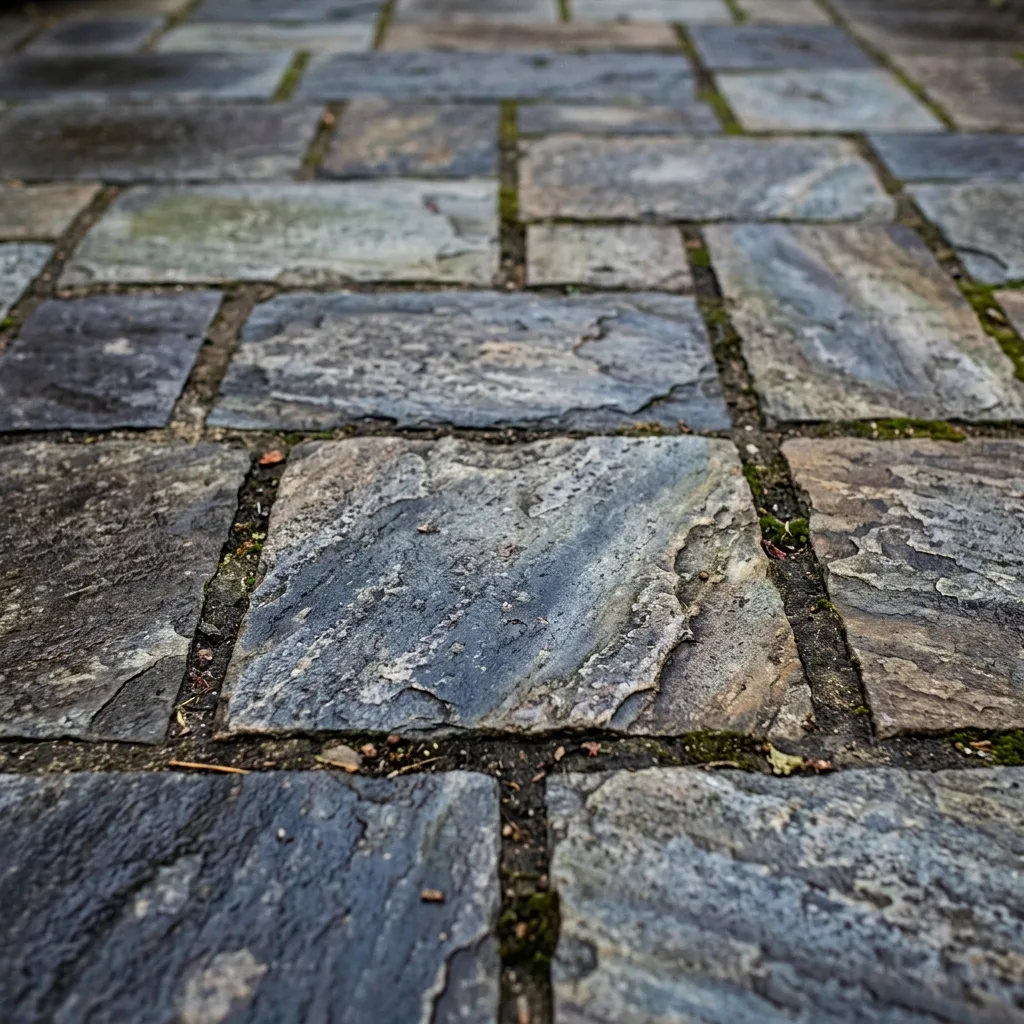
Why Natural Stone Outlasts Every Other Patio Material
Concrete patios last 15-25 years. Bluestone, granite, and flagstone last a century. Natural stone is the only material that defies the clock — and looks better as it ages.
Read Article →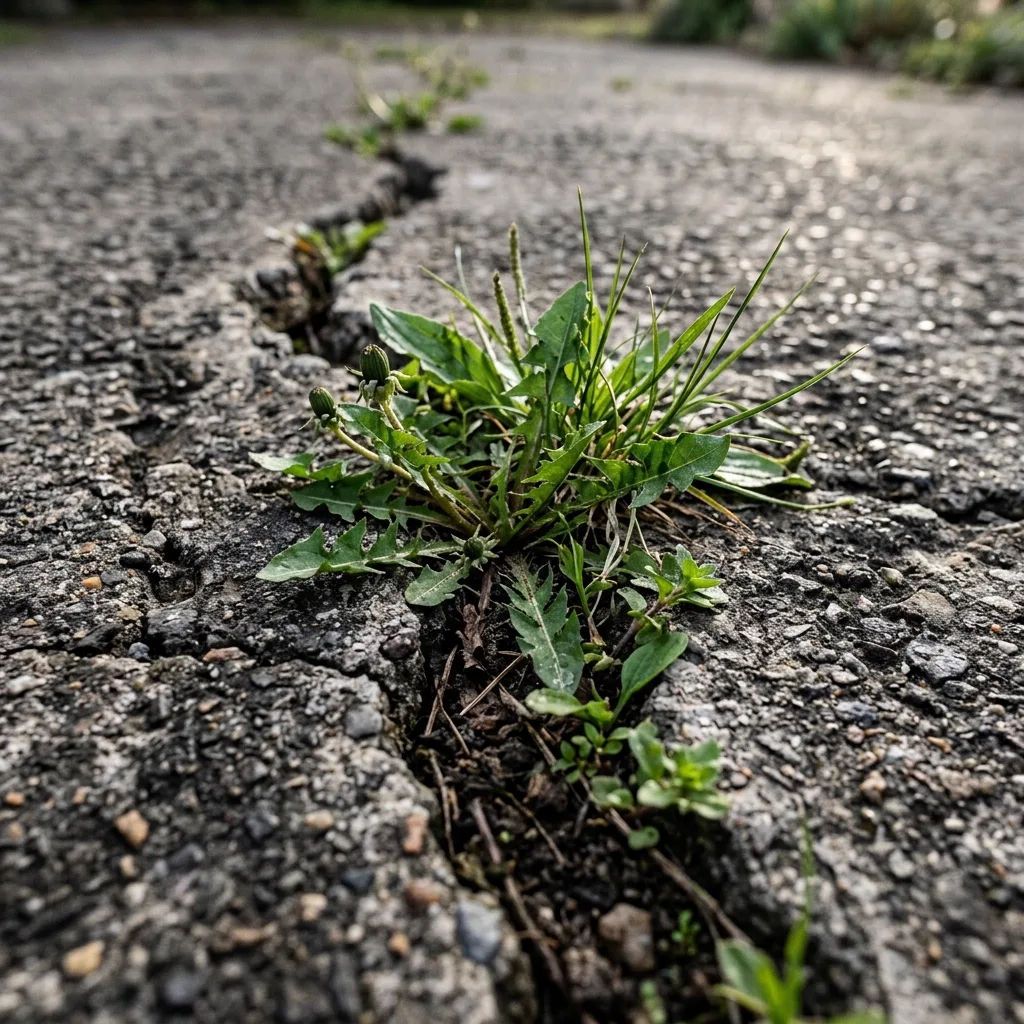
How Connecticut Freeze-Thaw Destroys Concrete (And Why Pavers Survive)
Poured concrete cracks. Pavers flex. The freeze-thaw physics that destroy a concrete patio in 10-15 years are exactly what makes a paver patio still look good after 30.
Read Article →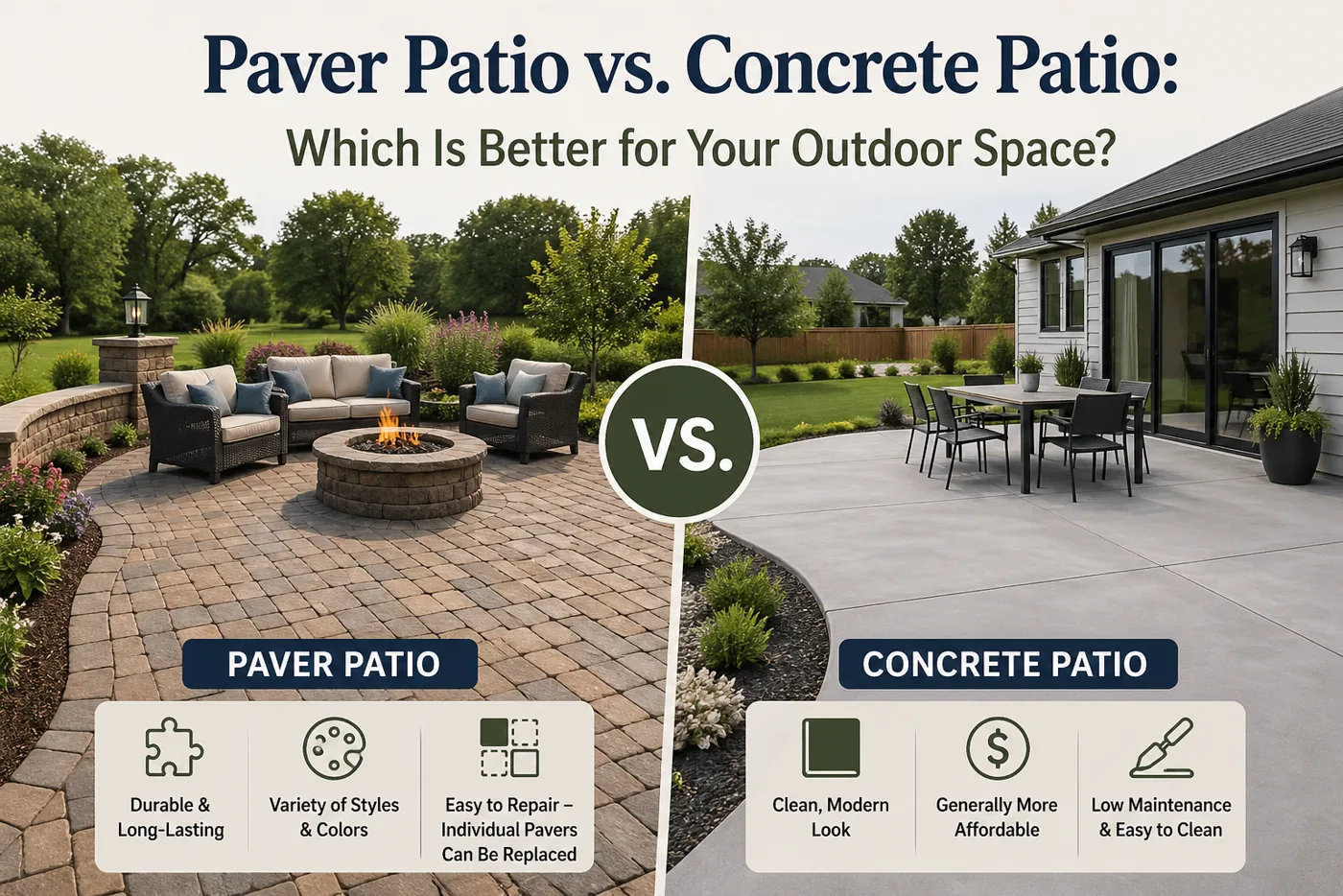
Paver Patio vs. Concrete Patio: Which Is Better for Your Outdoor Space?
Both options have their benefits and drawbacks, and the right choice depends on your budget, style, maintenance expectations, and long-term goals for your outdoor space.
Read Article →Retaining Walls, Stone Walls & Steps
Concrete Stoop Repair vs. Replacement: When Each Makes Sense
Cracked stoops are common in Connecticut. Here's the honest guide to repair vs. replace — and when stone steps are the better long-term call.
Read Article →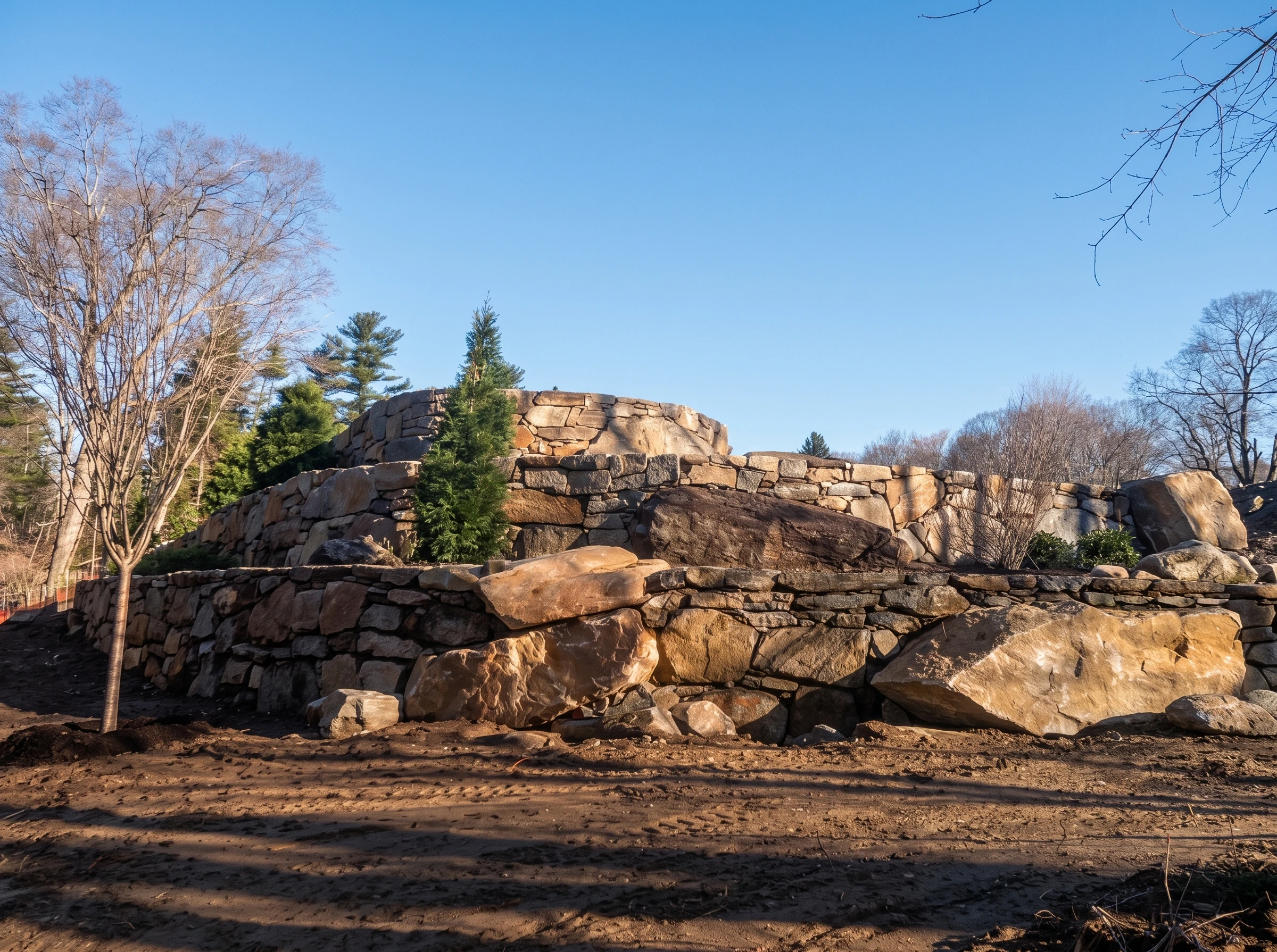
Do I Need a Permit for a Retaining Wall in Connecticut?
Most CT towns require permits for walls over 4 feet. Learn when permits are required, what they involve, and why skipping them is risky.
Read Article →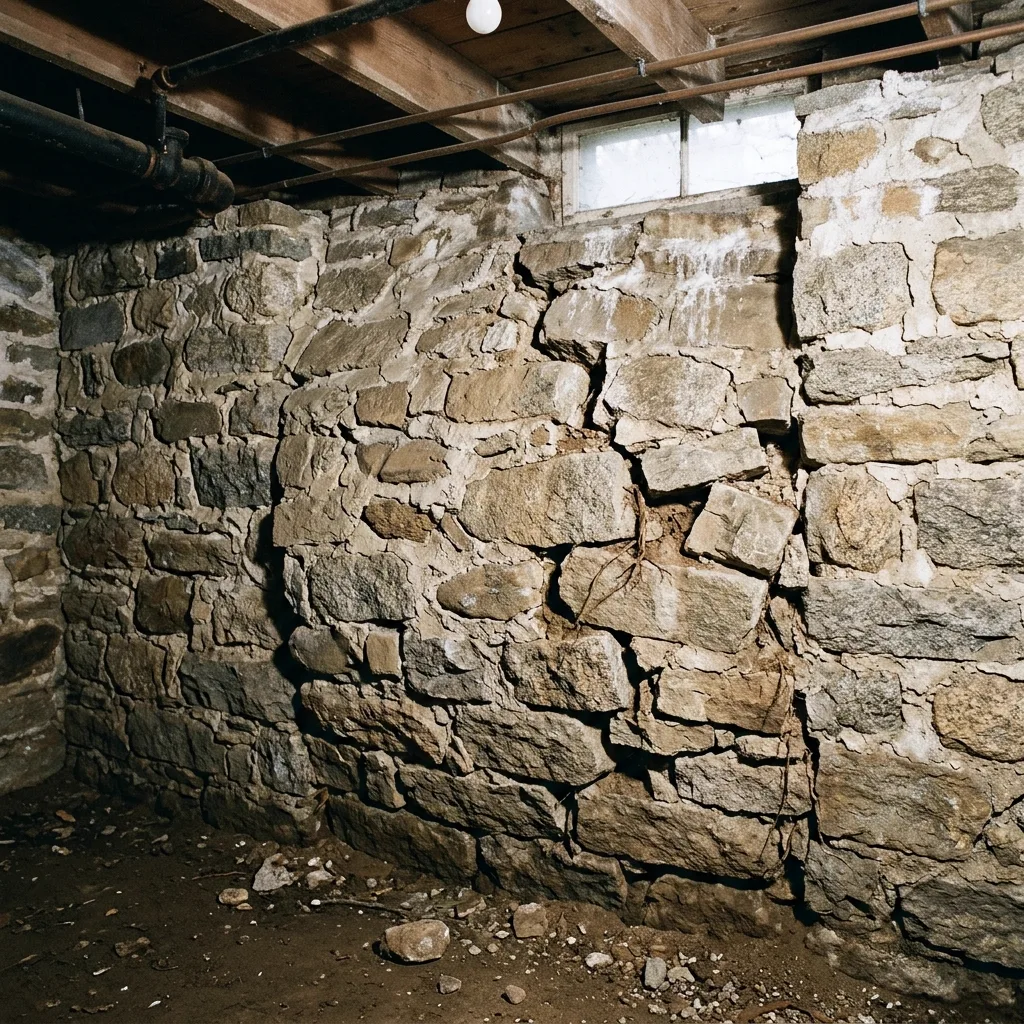
Best Materials for a Retaining Wall in Connecticut
Natural stone, dry-stacked fieldstone, segmental block, mortared stone, or poured concrete — honest comparison by cost, aesthetics, and use case in CT.
Read Article →
How Deep Should a Retaining Wall Footing Be?
Connecticut frost line is 42 inches. Footings need to clear it. Learn why footing depth matters more than wall material and how to evaluate estimates.
Read Article →
Natural Stone vs Cultured Stone Veneer
Real stone vs manufactured stone veneer — cost, durability, appearance, and resale value compared. Honest guide for choosing what fits your project.
Read Article →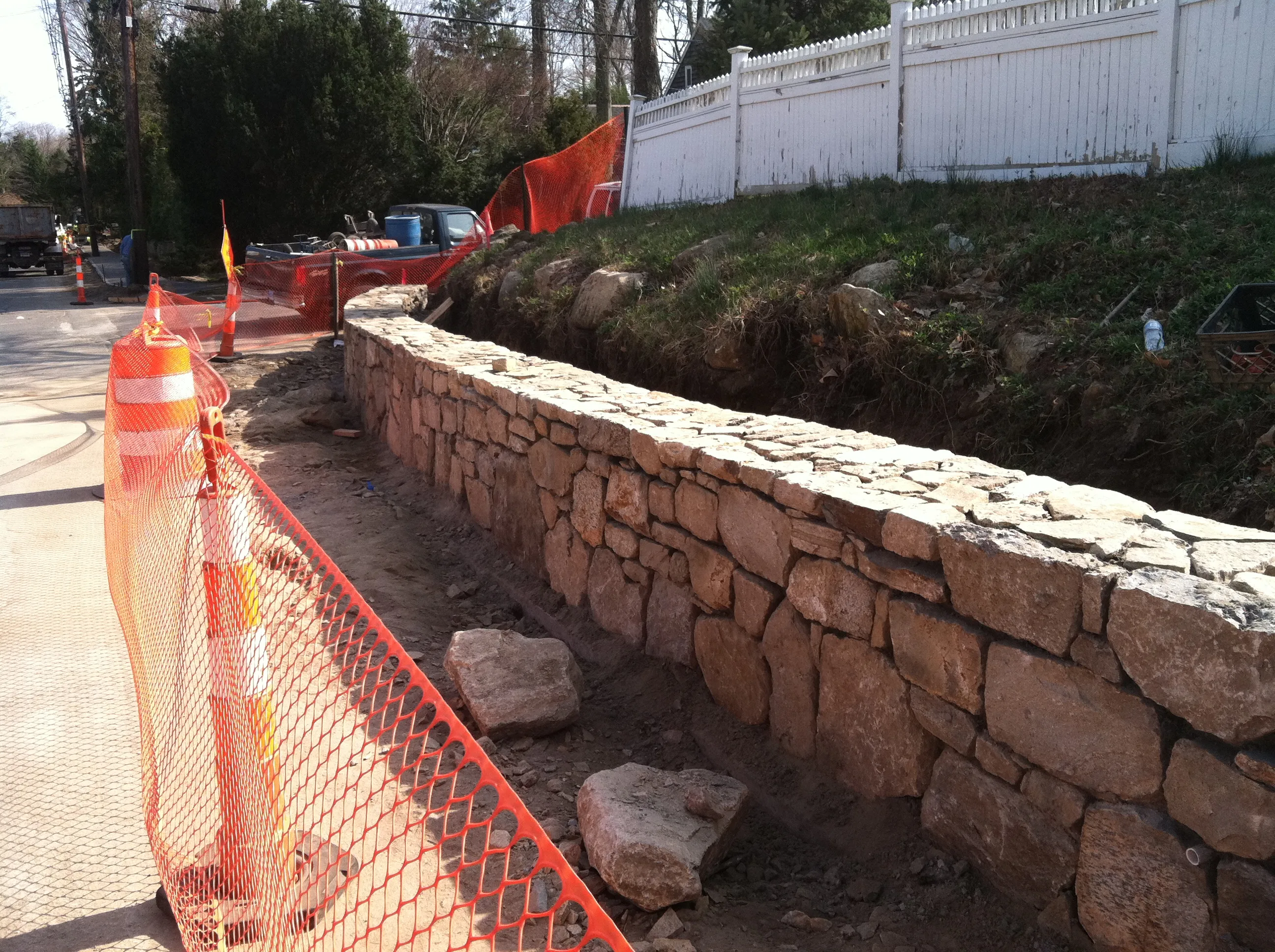
Adding Curb Appeal with Natural Stone Walls in Connecticut
Learn how natural stone boundary walls transform curb appeal for beautiful residential properties in New Canaan and across Connecticut.
Read Article →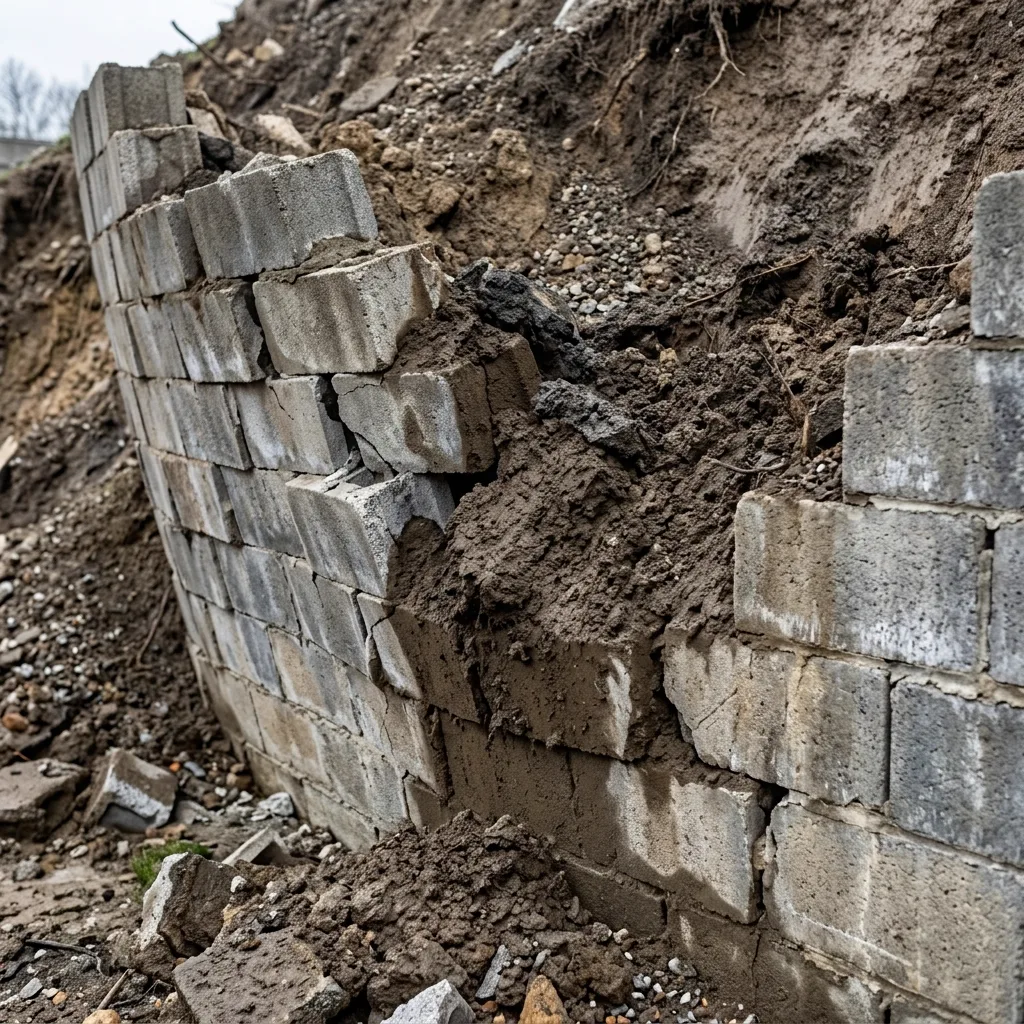
Why Your Connecticut Retaining Wall is Failing After Winter
Discover why retaining walls bulge and fail in Connecticut after winter and learn how professional masonry repair can restore your landscape.
Read Article →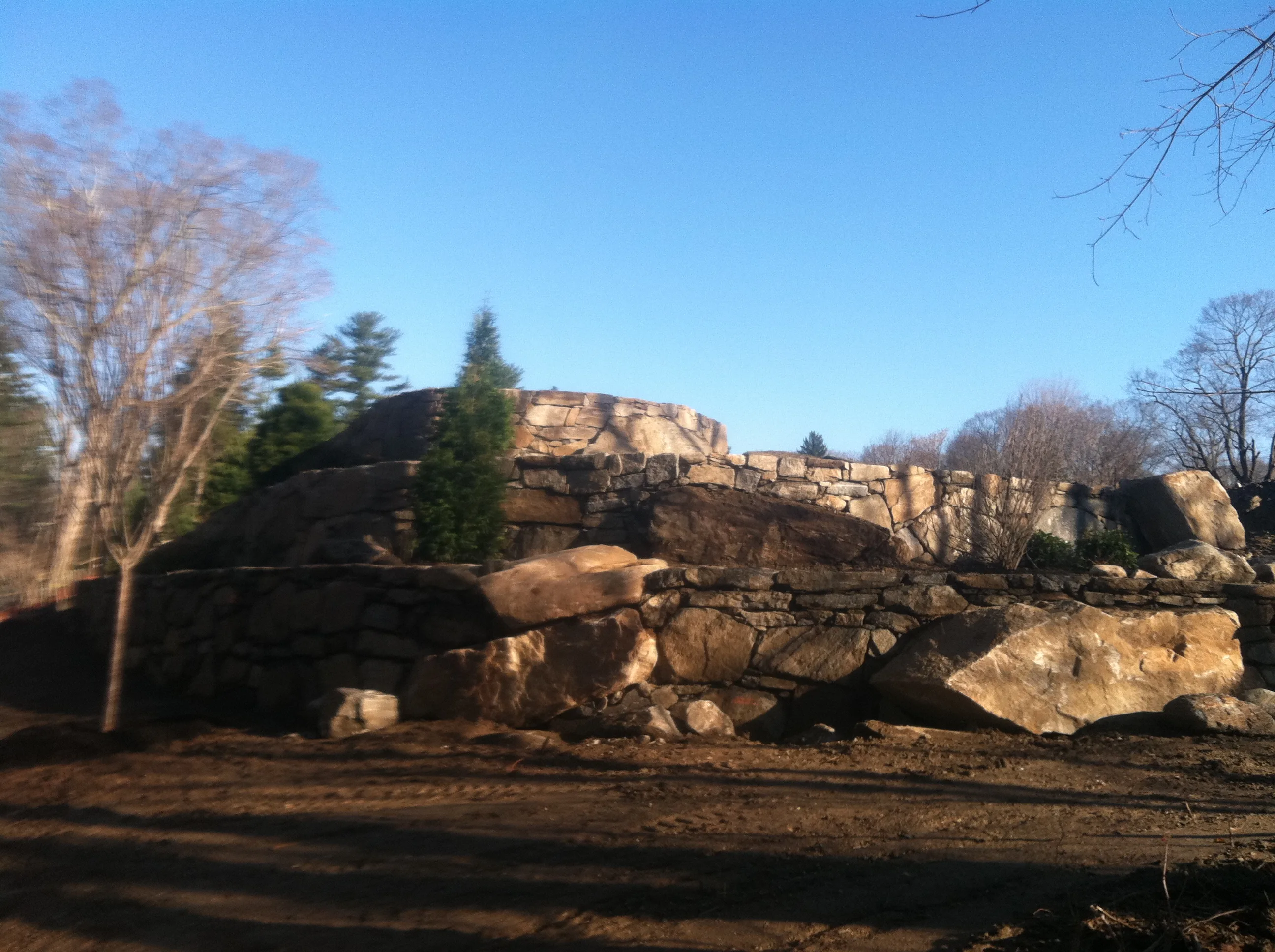
What Is a Tiered Stone Retaining Wall? Benefits, Costs, and Design Ideas
When you think of a classic stone retaining wall, you probably picture a single wall holding back a slope or garden bed. But when your property has dramatic changes in elevation — or when you want to add depth and visual interest — a tiered stone retaining wall can be the perfect solution.
Read Article →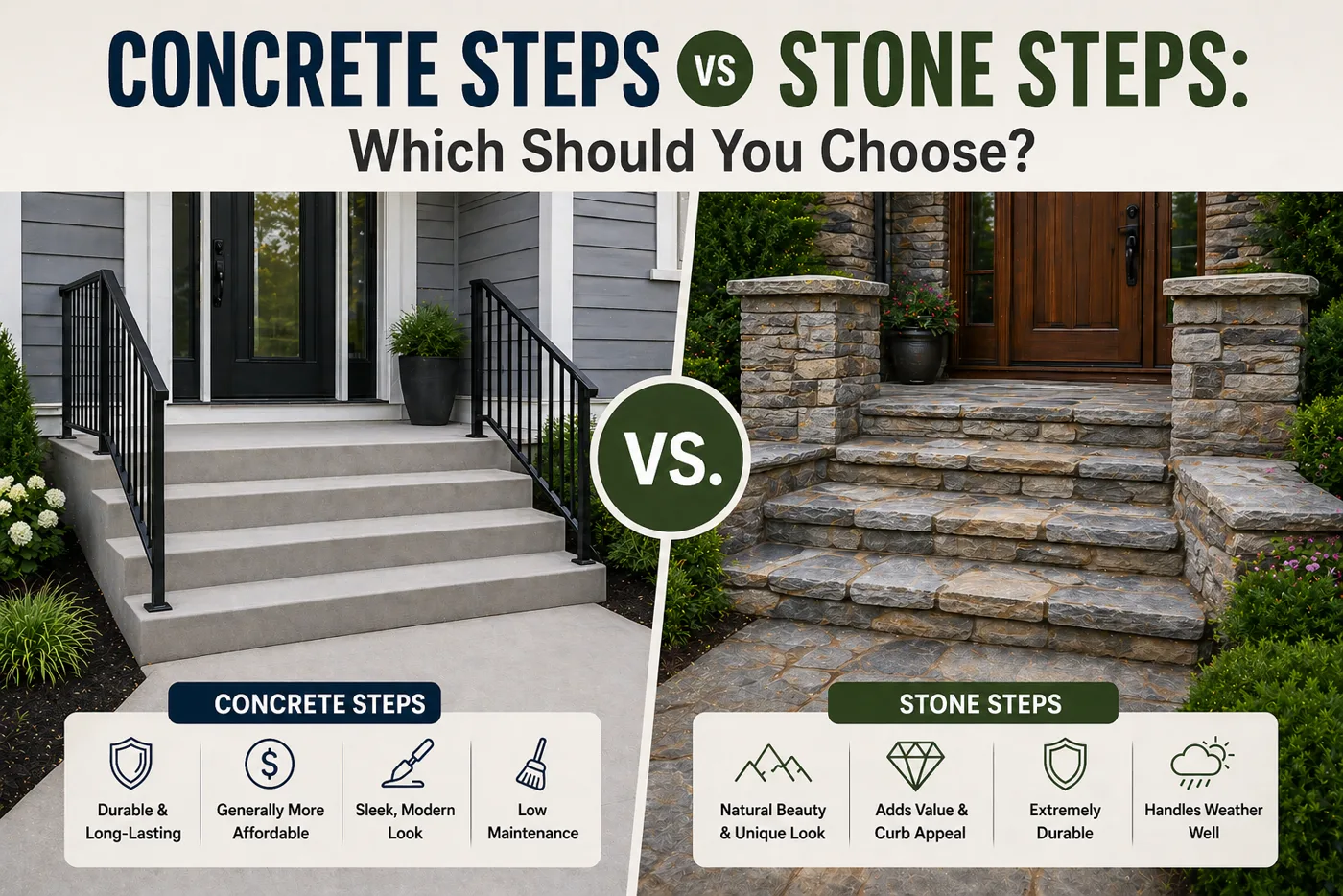
Concrete Steps vs Stone Steps: Which Should You Choose?
Both have unique benefits, costs, and design considerations. So how do you choose the best option for your property?
Read Article →Chimney Repair
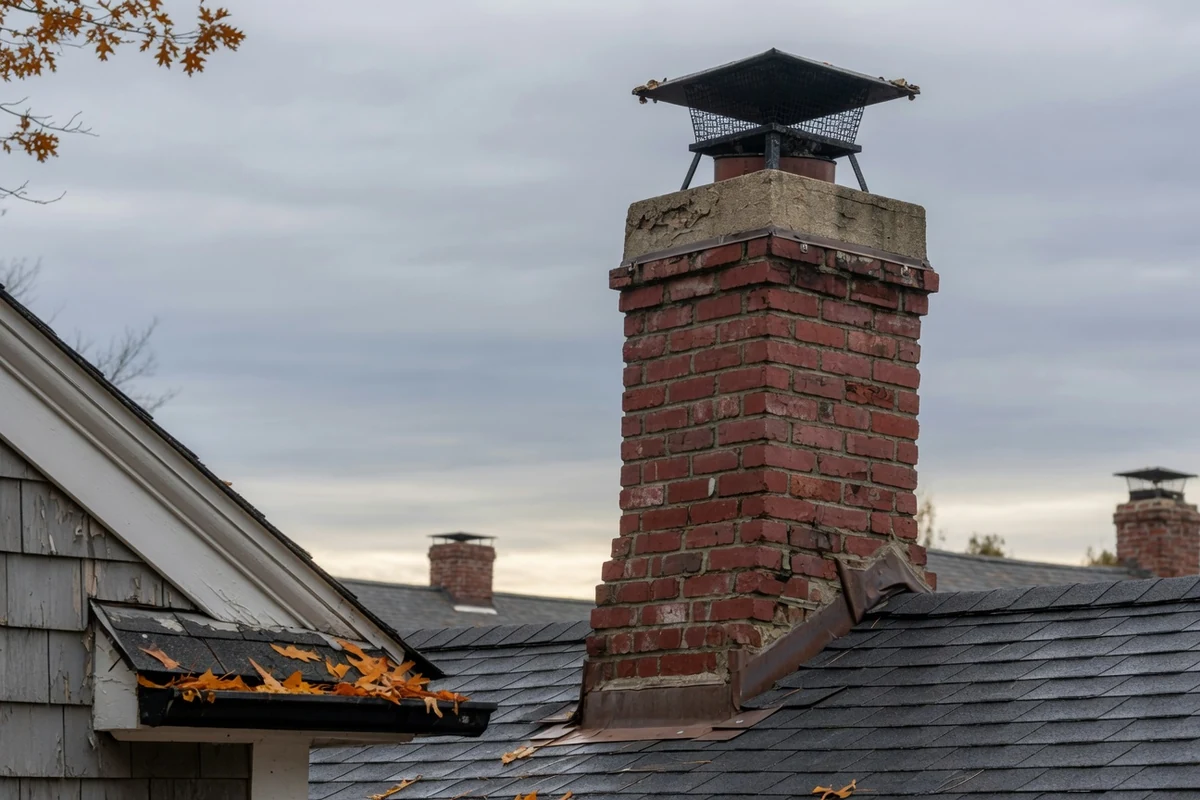
How Long Does a Brick Chimney Last?
The brick can last 100+ years. The mortar, crown, cap, and flashing all have much shorter service lives. Here's the full component breakdown.
Read Article →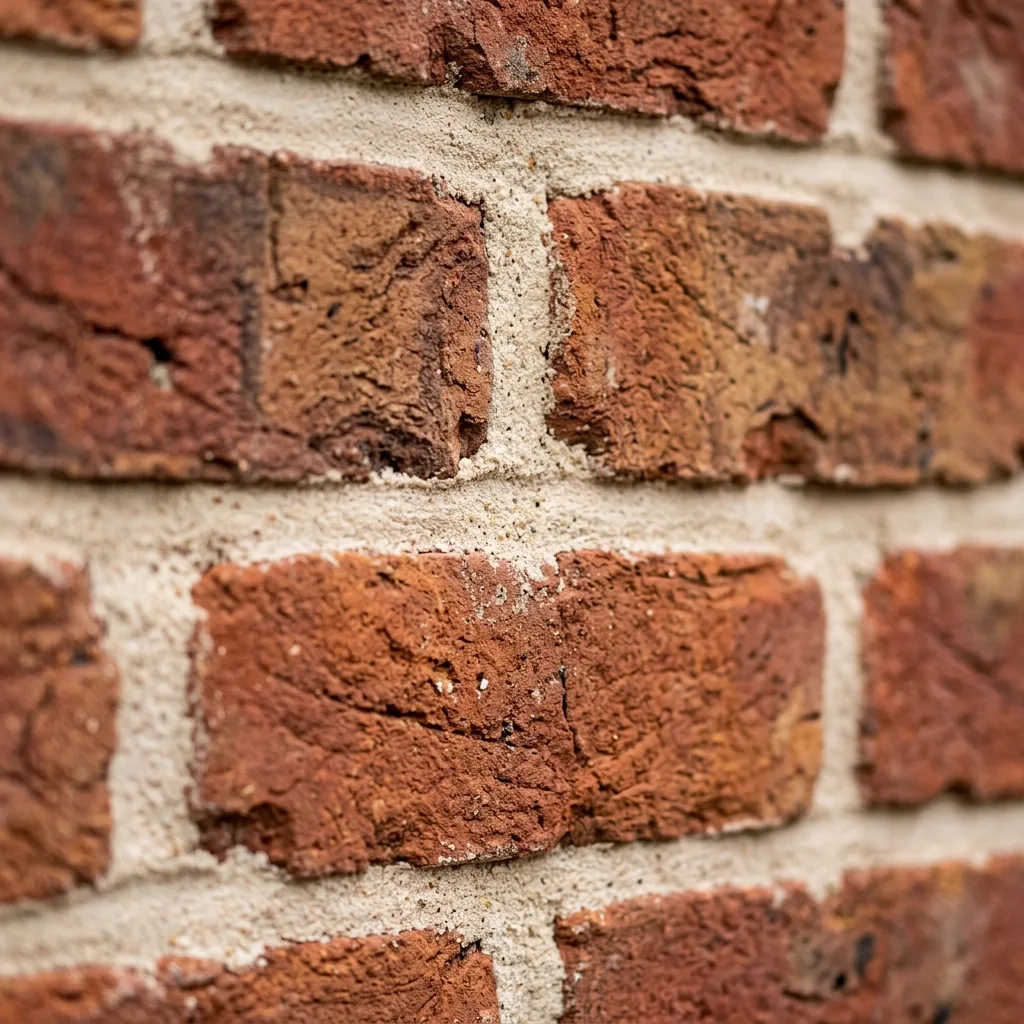
7 Signs Your Chimney Mortar Needs Repointing
Recessed joints, crumbling mortar, and water in the firebox all point to failing mortar. Learn what to look for before the damage gets structural.
Read Article →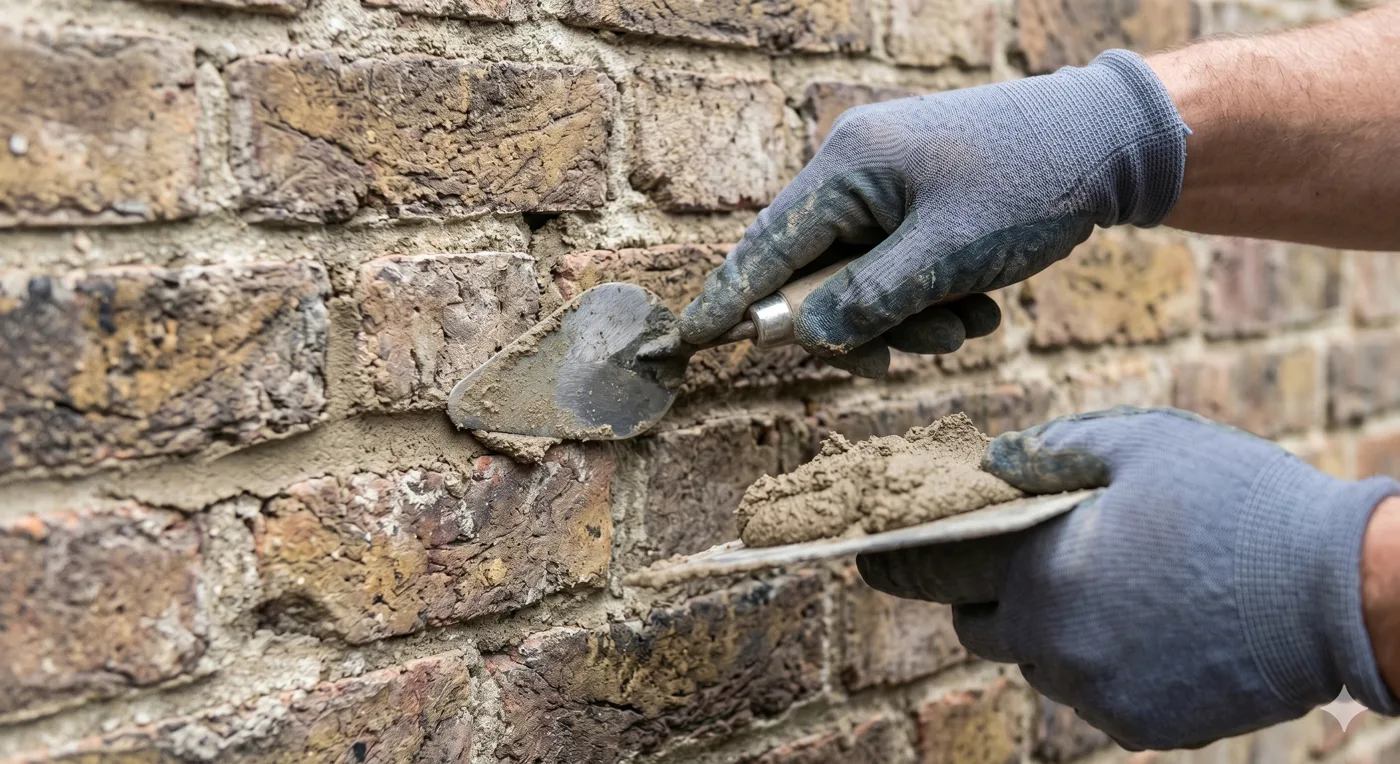
Why Does My Chimney Smell Like Smoke in Summer?
Chimneys smell in summer due to draft reversal, activated creosote, or water infiltration — not just a cleaning issue. Here's how to diagnose which problem you have.
Read Article →
Average Cost to Rebuild a Chimney in Connecticut
What actually drives chimney rebuild cost — the variables, the repair-vs-rebuild decision, and how to evaluate estimates honestly.
Read Article →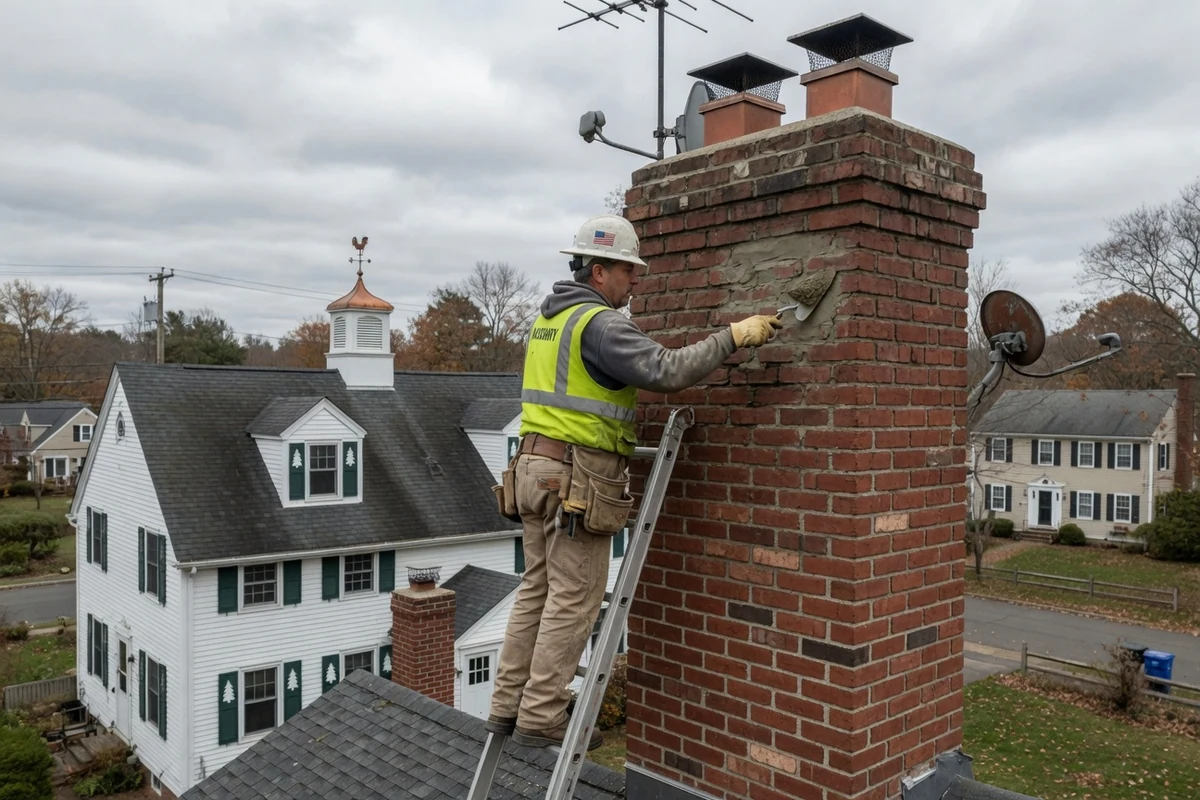
Chimney Crown vs Chimney Cap: What's the Difference?
The crown protects the chimney brick. The cap keeps rain out of the flue. They're two different things, doing two different jobs — and you need both.
Read Article →Brick & Tuckpointing
How to Seal a Brick Wall: What Actually Works (and What Makes It Worse)
Most hardware-store sealers trap moisture inside brick walls and accelerate the damage they're meant to stop. Here's what actually works.
Read Article →
Why Are the Bricks on My House Flaking?
Brick flaking is called spalling — and it almost always traces back to trapped moisture and freeze-thaw cycles. Learn what causes it and what proper repair involves.
Read Article →
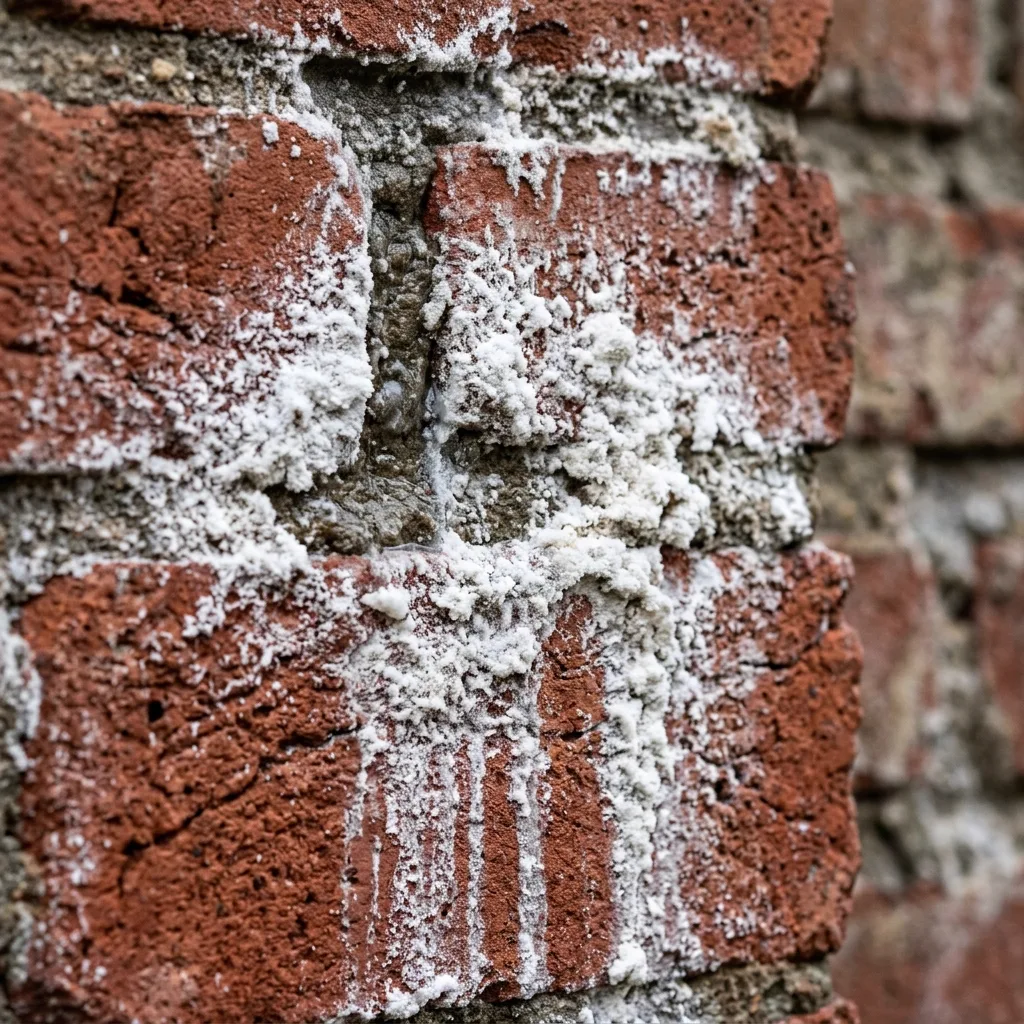
What Is the White Powder on My Brick?
That white residue is called efflorescence. It tells you water is actively moving through your masonry — and what to do about it without making things worse.
Read Article →
How Long Does Tuckpointing Last?
Properly done tuckpointing typically lasts 25-30 years on residential walls. Less on chimneys. Learn what determines lifespan and how to make yours last.
Read Article →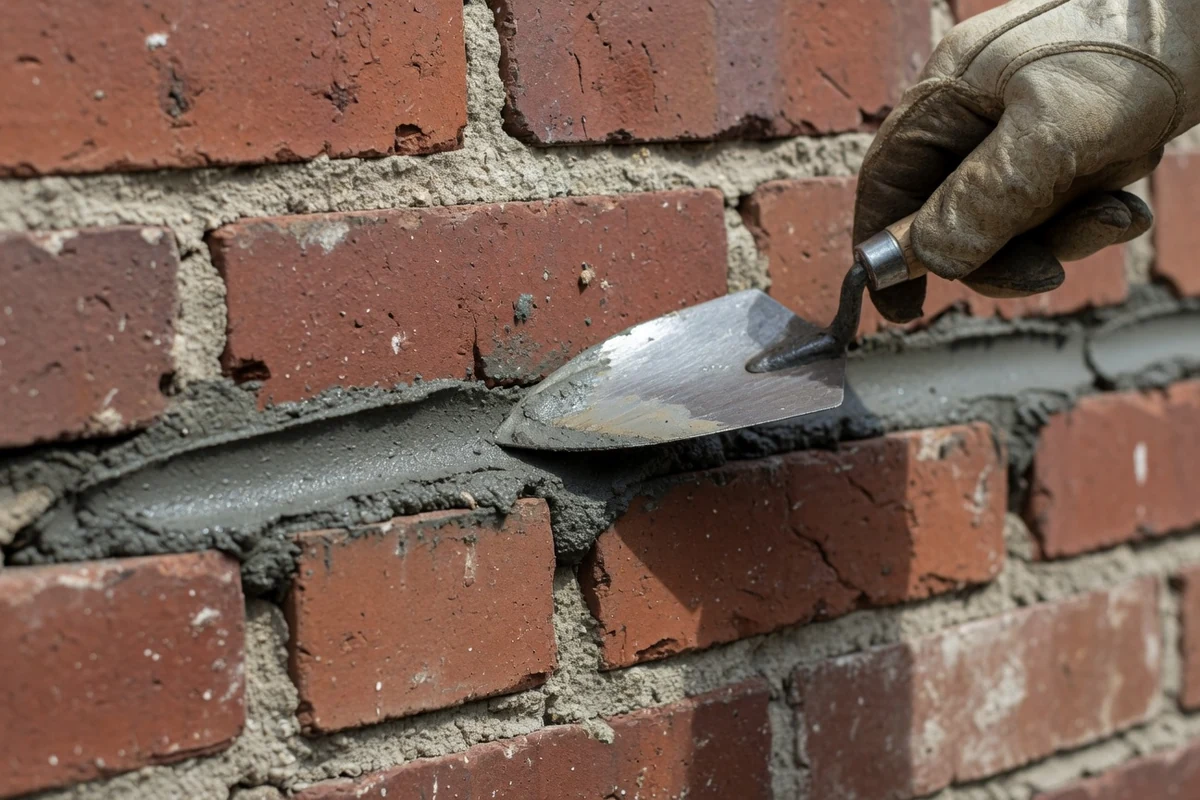
How Much Does It Cost to Repoint a Brick Wall in CT?
What actually drives brick repointing cost in Connecticut, how to compare estimates, and what to ask any contractor before signing.
Read Article →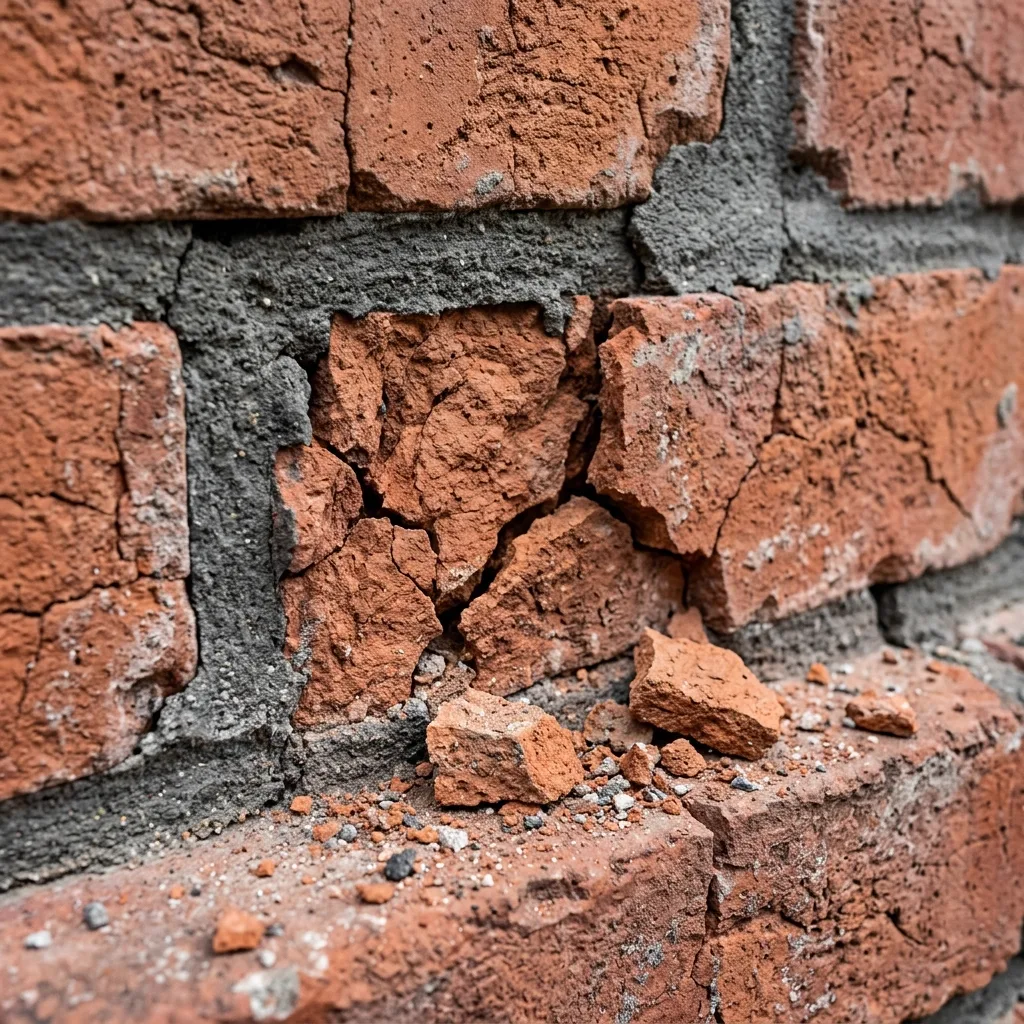
A Guide to Repointing and Restoring Historic Brick Homes in CT
Discover the right way to restore historic brick homes in Connecticut, the dangers of modern Portland cement, and the importance of professional repointing.
Read Article →Foundations & Commercial Restoration
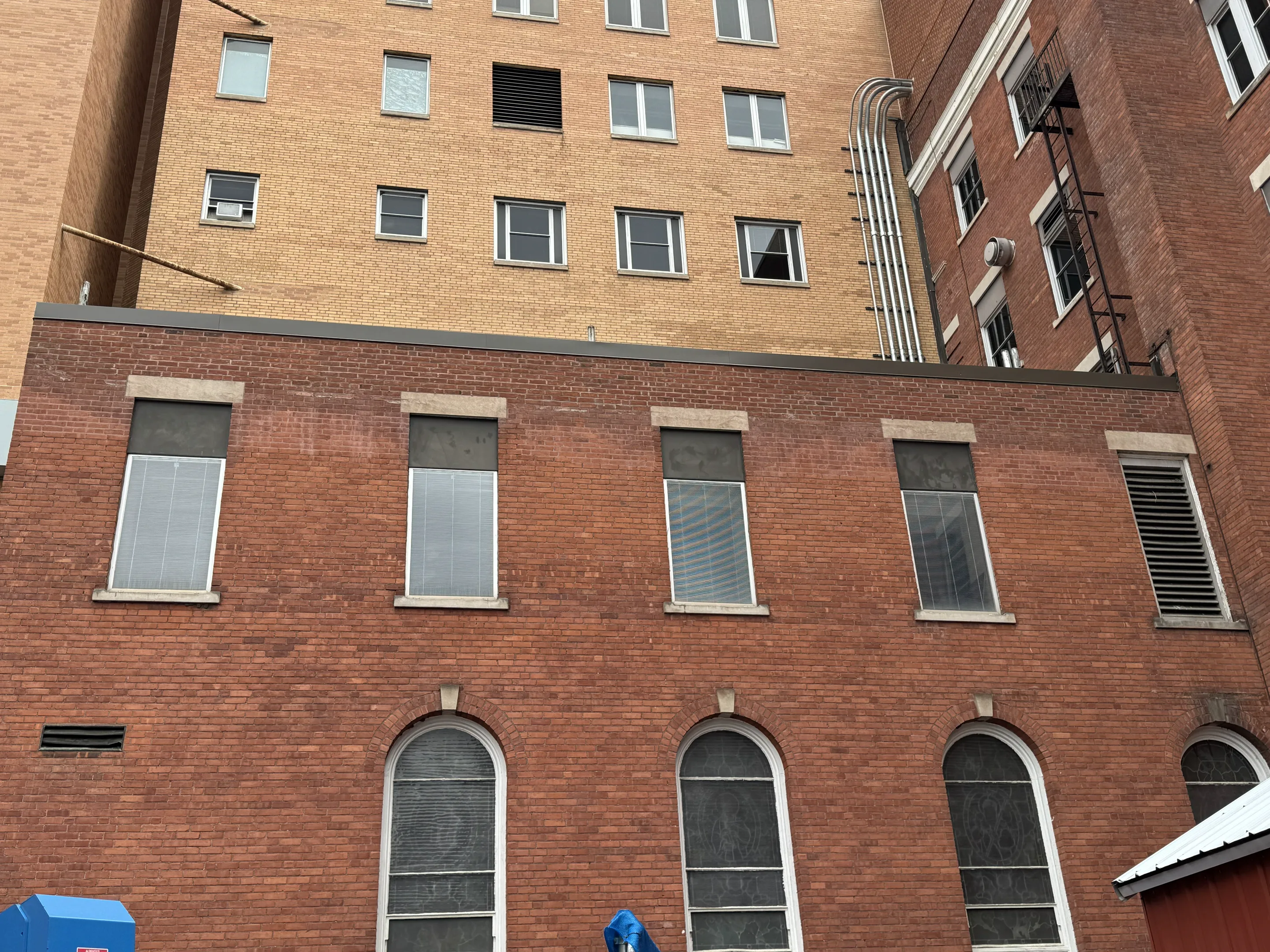
The Importance of Commercial Parapet Repair: A Hospital Case Study
Read our case study on commercial parapet repair at Saint Mary's Hospital. Discover why proper structural masonry saves lives and budgets.
Read Article →
Why Connecticut Businesses Need Annual Façade and Parapet Inspections
Why property managers in Connecticut must schedule annual façade and parapet inspections to reduce liability and ensure structural health.
Read Article →
Restoring Historic Stone Water Dams in Connecticut
Discover how we structure, restore, and maintain historic stone water dams and spillways on institutional campuses like Choate Rosemary Hall.
Read Article →
Modern Restoration of Classical Architecture
Have you ever wondered how old structures still look great today? Walk through any historic city center, and you'll find centuries-old churches, government buildings, schools, and grand stone facades that seem to defy time.
Read Article →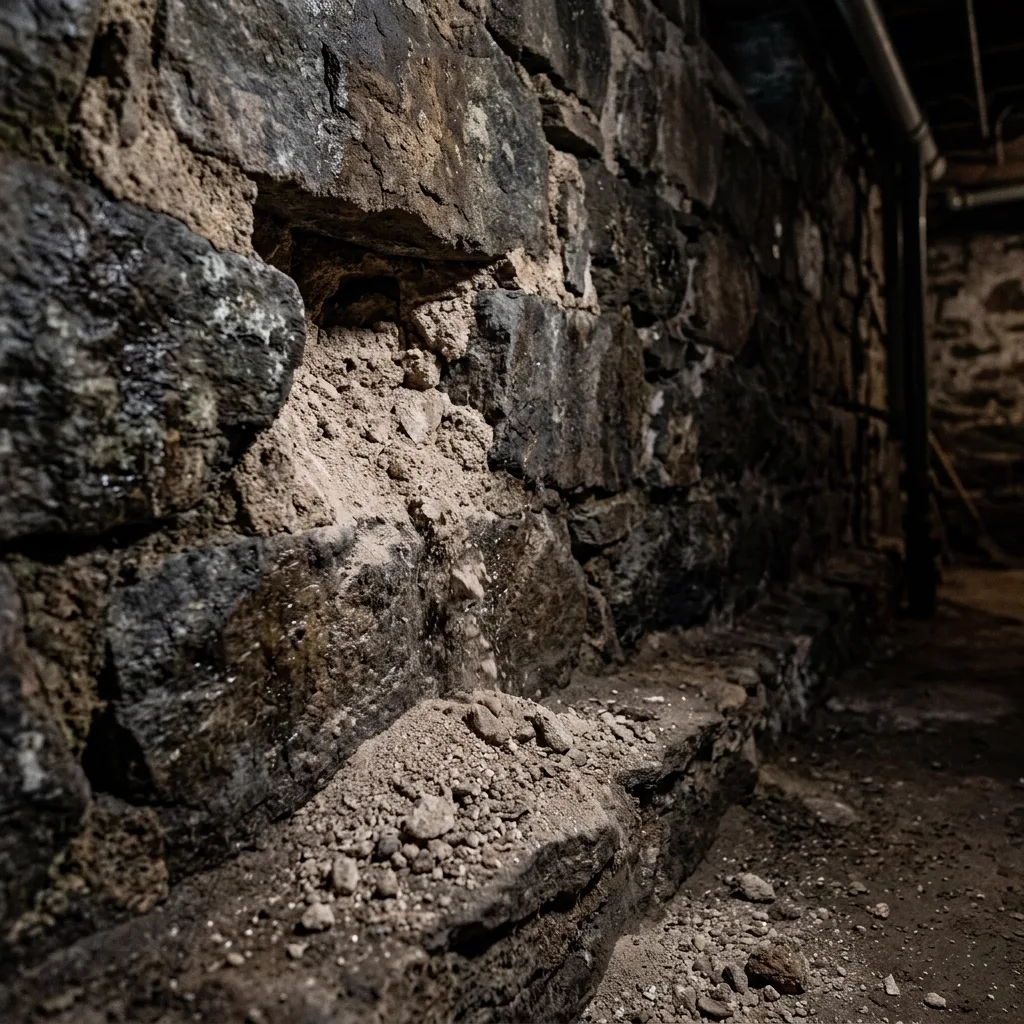
Signs Your New England Fieldstone Foundation Needs Structural Repair
Learn the warning signs of fieldstone foundation deterioration in older homes, and what structural masonry restoration involves safely.
Read Article →Masonry Basics & CT Climate
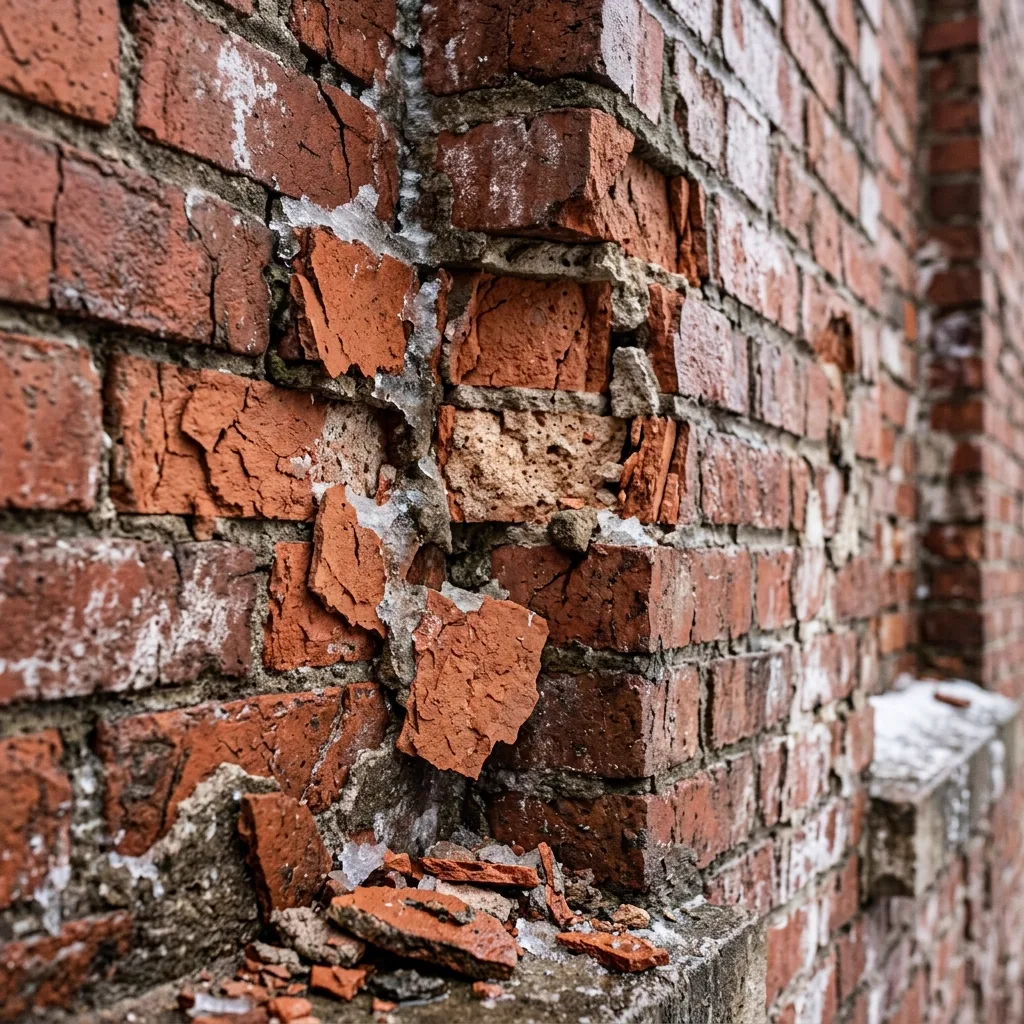
How Connecticut's Freeze-Thaw Cycle Damages Masonry
Learn how the freeze-thaw cycle in Connecticut damages brick, mortar, and stone, and what you can do to prevent it and protect your home.
Read Article →
Finding the Best Residential Masonry Repair Near Me: What Homeowners Should Know
Many homeowners eventually face issues with aging brick, cracked stone walls, leaning chimneys, or crumbling mortar joints. Masonry is built to last — but over time, even the best brickwork and stonework need repairs.
Read Article →Frequently Asked Questions
Get answers to common questions about our masonry services.
What types of masonry services do you offer?
We offer residential, commercial, historic restoration, and institutional masonry services — including chimneys, patios, stone walls, retaining walls, repointing, and more.
Are your masonry services durable?
Absolutely! Our masonry is built to last, combining old-world craftsmanship with modern techniques for maximum longevity and beauty.
Do you serve all areas of CT?
While we primarily serve Fairfield, New Haven, Hartford, Middlesex and Litchfield Counties, we are open to discussing projects throughout Connecticut.
How can I request a quote for my project?
You can easily request a quote by filling out the contact form on this site, calling us at (203) 768-2921, or emailing Info@imrct.com.