
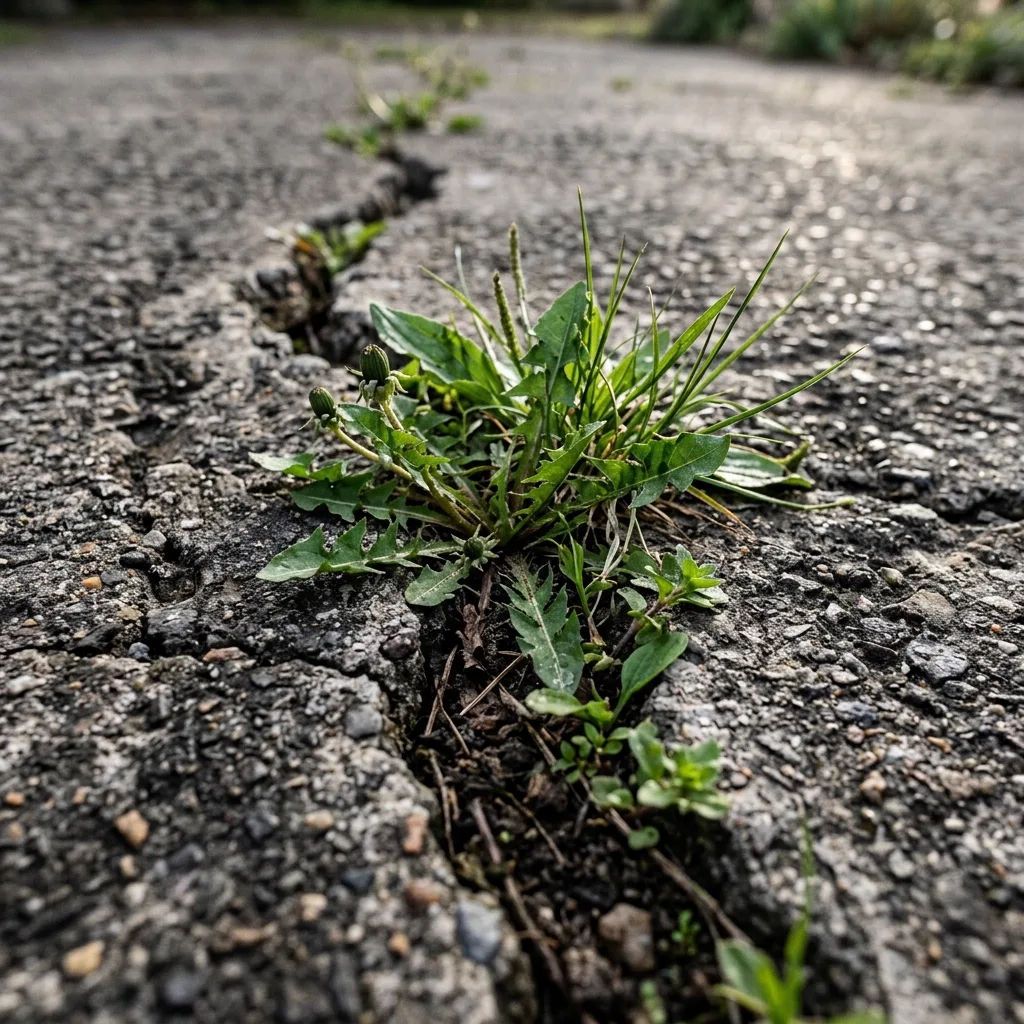
If you have a concrete stoop, there is a good chance it is showing its age. Cracked treads, spalling surfaces, settled slabs, and crumbling edges are some of the most common masonry problems on Connecticut homes. The question homeowners face is whether to repair what they have, resurface it, or tear it out and start fresh — and the right answer depends entirely on the condition and cause of the damage.
Why Concrete Stoops Fail in Connecticut
Poured concrete has a finite lifespan in New England, and it is shorter than most people expect. The freeze-thaw cycle is the primary driver: water works into the small pores of concrete, expands 9% when it freezes, and cracks the concrete from within. This happens repeatedly over Connecticut winters — some years seeing 60 or more freeze-thaw cycles. Most poured concrete stoops have a realistic service life of 15–25 years before they require significant attention. After 30+ years, replacement is almost always the more economical path.
When Repair Is the Right Call
Repair makes sense when the structural integrity of the stoop is intact — meaning no significant settlement, heaving, or cracking that goes through the full depth of the slab. Specific candidates for repair:
- Surface spalling on treads: The top layer flaking off without structural cracking. Can be addressed with a polymer-modified overlay if the bond surface is sound.
- Minor edge chipping: Cosmetic damage on step noses that has not progressed to the structural core.
- Isolated hairline cracks: Fine surface cracks without movement or displacement between the two sides of the crack.
Even in repair-eligible situations, it is worth honestly asking how old the stoop is and what its overall condition looks like. A repair on a 25-year-old stoop that is deteriorating in multiple areas may buy a few years before the same issues appear elsewhere — at which point total replacement becomes unavoidable anyway.
Why Patches Often Fail
The most common mistake homeowners make with concrete stoops is applying a patch without addressing the cause of the damage. Patch material bonds to old concrete, but the two materials expand and contract at slightly different rates. Add freeze-thaw cycling, and most patches delaminate within 2–3 winters. Professional-grade polymer overlays perform better — but they still require that the substrate concrete is structurally sound and properly prepared. Patching a structurally compromised slab is money spent delaying the inevitable.
When Replacement Is the Right Call
Replacement is clearly the better investment when:
- The stoop has settled or heaved. Uneven steps are a trip hazard, and resurfacing cannot fix grade changes in the substrate.
- Cracks go through the full depth. Through-cracks indicate structural failure, not surface wear.
- Spalling affects more than 25–30% of the surface area. At that point, a full overlay is essentially a new slab anyway — you are better off demolishing and rebuilding.
- The stoop is more than 25–30 years old with multiple areas of concern. Multiple repairs over the next few years will cost more than replacement done once.
- The foundation attachment has failed. Gaps between the stoop and the house, or visible separation at the foundation, indicate movement that repair cannot address.
The Replacement Materials Decision
When you replace a concrete stoop, you are not required to replace it with concrete. This is actually the moment to consider whether concrete is the right material for your situation at all.
| Material | Lifespan in CT | Maintenance | Appearance |
|---|---|---|---|
| Poured Concrete | 15–25 years | Patching as needed | Utilitarian |
| Bluestone Steps | 75–100+ years | Minimal | Classic, high-end |
| Granite Steps | 100+ years | Essentially none | Timeless, architectural |
| Precast Concrete | 20–30 years | Similar to poured | Uniform, clean |
Natural stone steps — bluestone, granite, brownstone — require a higher upfront investment but deliver a lifespan that typically exceeds the remaining life of the house. Granite steps in particular are essentially maintenance-free: they do not crack, spall, or fail in freeze-thaw conditions the way poured concrete does. For a homeowner who plans to stay in their home and wants to stop dealing with this problem, natural stone is often the better economic choice when viewed over 30–40 years.
Permit Considerations
Most Connecticut towns do not require a permit for stoop repair or like-for-like replacement at the same grade. Stoop rebuilds that involve changes to grade, footing depth, or attached structural elements may require a permit. We pull permits when required and advise on local requirements as part of the estimating process.
Stoop or Steps Giving You Problems?
We evaluate concrete stoops, provide honest repair vs. replacement guidance, and install natural stone steps across Connecticut. Free written estimates after a site visit.
Get a Free Estimate