
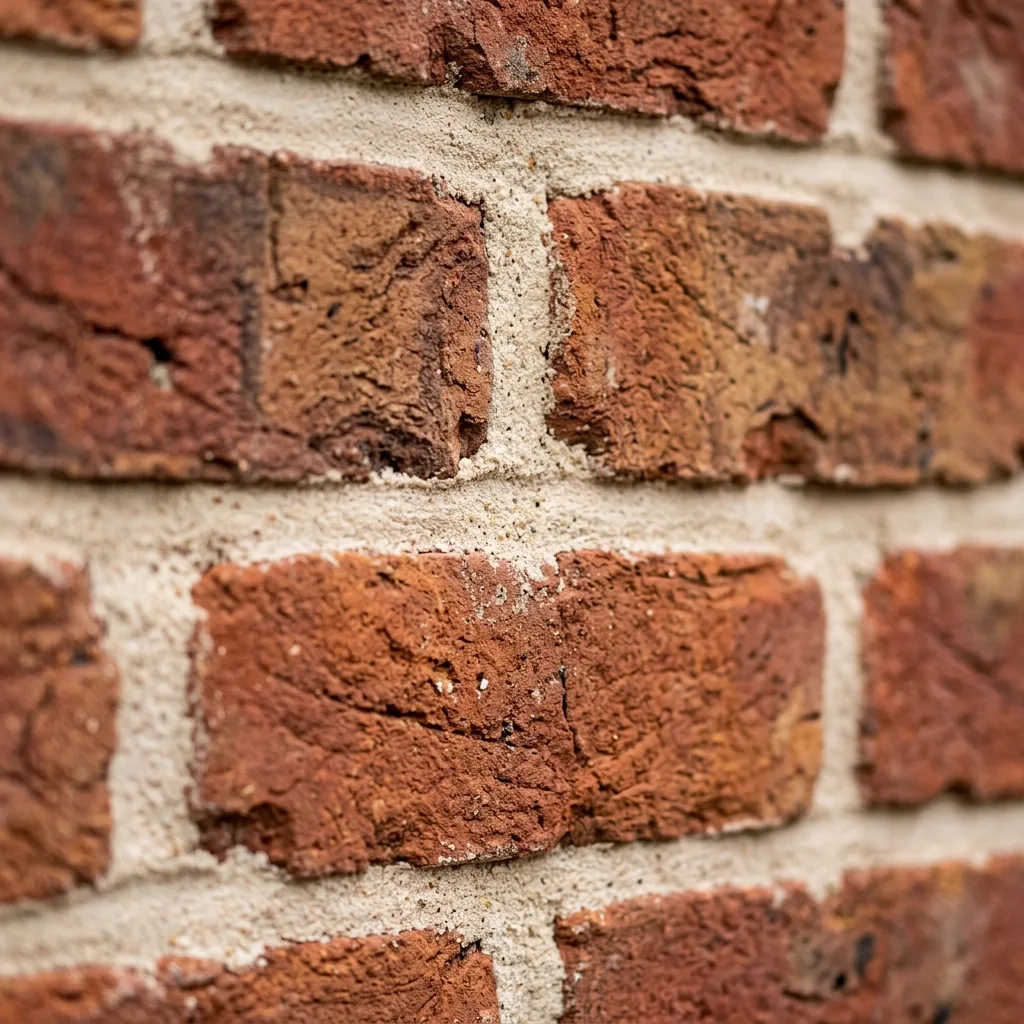
One of the most common questions Connecticut homeowners ask before committing to repointing or tuckpointing work is the obvious one: how long will it last? The honest answer is "it depends" — but the variables are well understood.
The Short Answer
For typical residential masonry in Connecticut, properly executed tuckpointing or repointing lasts:
- Brick walls (south or west facing): 25-30 years
- Brick walls (north or east facing, more sheltered): 30-40 years
- Chimneys: 15-25 years (more exposure, faster deterioration)
- Parapet walls: 15-20 years (most exposed, fails fastest)
- Stone walls (mortared): 30-50 years
- Brick foundations and stone foundations: 30-50 years
These are typical service lives. The actual lifespan of any specific job depends on the variables below.
What Determines Tuckpointing Lifespan?
1. Quality of the Original Work
Properly executed repointing — joints cut to correct depth, mortar packed in layers, joints tooled correctly when the mortar reaches thumbprint hardness — lasts twice as long as quick, shallow work. The single biggest variable in lifespan is the quality of the work itself.
2. Mortar Selection
The mortar must be compatible with the brick. Hard Portland cement mortar on soft historic brick will outlast the brick (because the brick will spall). Lime-compatible mortar on historic brick — softer than the brick — will deteriorate slowly while leaving the brick intact, and is the right choice for older buildings.
3. Joint Profile and Tooling
Concave (bucket) and V-tooled joints are most weather-resistant. Flush joints are easier but shed water less effectively. Struck-back joints can hold water and accelerate deterioration. The tooling profile affects lifespan.
4. Wall Exposure
South-facing walls get the most sun-driven temperature swings (which drive freeze-thaw stress). West-facing walls get the most weather-driven rain. North-facing walls get less sun but stay damp longer. East-facing walls are typically the most sheltered.
5. Water Management Around the Wall
The same wall in two different homes can have very different lifespans depending on whether gutters work properly, grading drains away from the foundation, splash protection at grade level is adequate, and whether any chronic water issue is hitting the wall.
6. Climate
Connecticut's freeze-thaw climate is harder on masonry than many regions. Our coastal areas (lower elevation, milder winters, more salt air) and our inland areas (colder winters, harsher freeze-thaw) have somewhat different patterns.
Signs That Repointing Is Coming Due
- Mortar joints turning sandy or powdery to the touch.
- Visible gaps or open joints in the mortar.
- Efflorescence (white staining) on the wall.
- Brick spalling or cracking starting on a previously sound wall.
- Damp interior walls or basement walls.
What Shortens Tuckpointing Lifespan?
- Wrong mortar type for the brick (the #1 cause of premature failure).
- Shallow joint cuts — joints not cut to 2-2.5x the joint width before repointing.
- Inadequate joint cleaning before applying new mortar.
- Mortar applied in cold weather without proper protection.
- Single-pass joint filling instead of layered packing.
- No tooling — joints left rough instead of compressed with a jointer.
When to Call a Professional
Repointing is one of the most variable masonry services in terms of quality. The visible result can look fine on day one but fail in 5 years, or last 50 years — entirely depending on technique and materials. If you are getting estimates for repointing, ask specifically about: joint preparation depth, mortar formulation, and tooling profile. Contractors who can answer those questions in detail are usually the ones whose work lasts.
Time for Repointing?
If your mortar joints are turning sandy, opening up, or showing efflorescence, repointing is coming due. Free assessments and written estimates.
Get a Repointing Estimate