
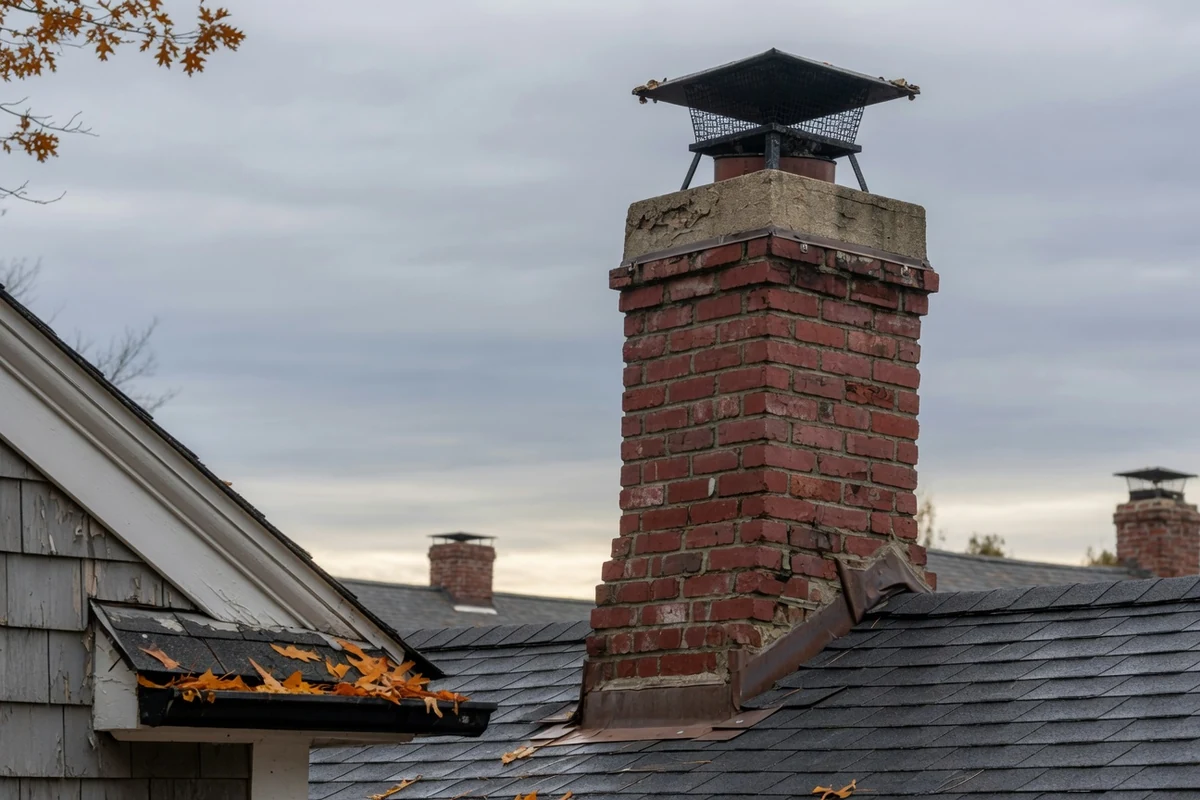
If your chimney has reached the point where minor repairs may not be enough — spalled brick across multiple courses, a badly cracked or missing crown, leaning, or extensive water damage — you may be looking at a chimney rebuild. The honest reality is that "rebuild cost" varies enormously based on what is actually being rebuilt and how the work needs to happen. The variables are well understood, though.
Repair vs. Rebuild: How the Decision Affects Cost
The single biggest factor is what scope of work is actually needed. Many chimneys that look like they need rebuilding can be saved with proper repointing and crown repair. Others that look fine from the ground turn out to need a partial rebuild after closer inspection.
- Repointing only — when the brick is sound and only mortar has failed. The least expensive scope.
- Crown repair plus repointing — when the crown is the primary issue and brick is mostly sound.
- Partial rebuild above roofline — when significant brick has spalled, the crown is severely damaged, or multiple problems combine.
- Full rebuild from the roof down — when the structure has shifted, leaned, or sustained damage that extends below the roofline. Most expensive scope.
An honest contractor recommends the smallest scope that actually solves the problem. If you have multiple estimates and they disagree on scope, that is a red flag worth investigating.
What Drives Cost Within a Given Scope?
Chimney Size and Height
A simple single-flue chimney costs less to rebuild than a multi-flue chimney or one with decorative brick details. Tall chimneys cost more than short ones. A typical 4-foot section above the roofline is far cheaper to rebuild than a 12-foot one.
Access
Roof pitch matters. Working on a low-pitch roof is faster than a steep roof. Three-story homes need more substantial roof staging than ranches. Some chimneys require lift equipment or scaffolding to safely rebuild.
Brick Selection
Standard contemporary brick is least expensive. Salvage brick to match an older home costs more. Custom-fired matching brick for a historic property is most expensive. The visible top sections often use better-matching brick while the lower courses can use standard brick — this can manage cost while preserving appearance.
Crown Specification
A standard mortar-cap crown is inexpensive. A properly formed concrete crown with drip edge costs more. A custom decorative crown with cast stone or stone caps costs significantly more but lasts much longer.
Flashing and Roofing Coordination
The flashing where the chimney meets the roof needs to be addressed during a rebuild. Sometimes new flashing is installed; sometimes the existing flashing is reusable. Coordination with roofing work — if needed — can add cost.
Permits and Inspections
Most Connecticut towns require building permits for chimney rebuilds. Some towns require post-rebuild inspection.
What's Typically Included in a Chimney Rebuild?
- Disassembly down to a sound coursing level.
- New brick (matching or compatible) for the rebuild.
- Fresh mortar (often Type N or lime-compatible for older homes).
- New crown — typically poured concrete with drip edge.
- Flashing repair or replacement at the roofline.
- New chimney cap (if not already present and serviceable).
- Cleanup and debris removal.
What's NOT Typically Included?
- Flue tile replacement (a separate chimney lining contractor handles this).
- Interior chimney work below the rebuild level.
- Roofing repair beyond the immediate flashing area.
- Removal of a chimney down to ground level (a different scope of work).
How to Evaluate a Chimney Rebuild Estimate
Ask specifically about:
- What scope of work is being recommended and why. If repointing would solve the problem, why is a rebuild being recommended? An honest contractor explains the reasoning.
- What level of brick and mortar matching is included. Salvage or custom matching costs more — if matching matters to you, it should be specified.
- Crown specification. Mortar cap, poured concrete, or stone — each is different in longevity and cost.
- Flashing approach. New flashing, reused flashing, or coordination with roofer.
- Warranty terms. Quality work should be warranted.
When to Call a Professional
An honest chimney assessment determines what scope of work is actually needed. We've seen homeowners pay for full rebuilds when only repointing and crown repair were needed — and we've seen homeowners try to repoint chimneys that needed full rebuilding. The right diagnosis saves significant money. Free written estimates after a site visit. View our chimney repair services →
Need a Chimney Assessment?
We provide honest written estimates on chimney rebuild and repair work — no oversold scopes.
Get a Chimney Estimate