
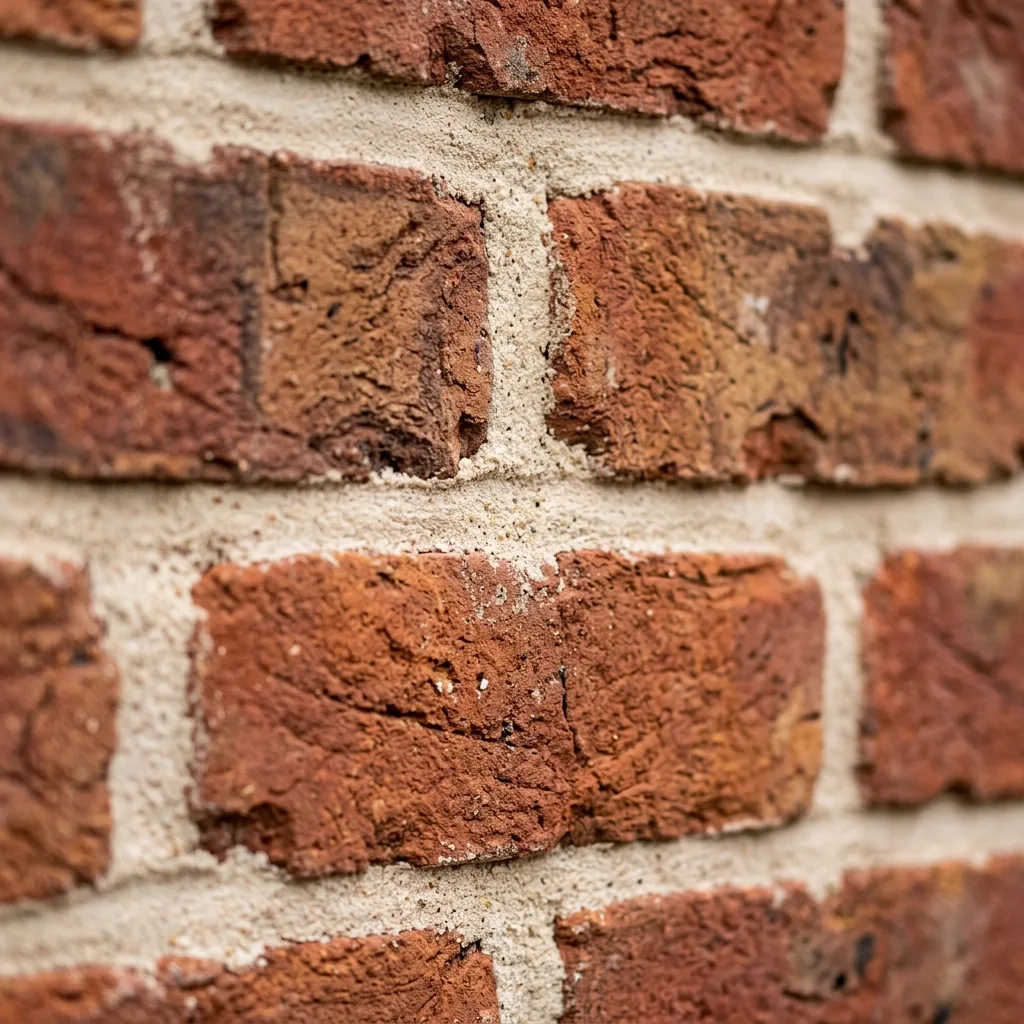
The chimney is the most exposed masonry on any Connecticut home — fully open to weather from all four sides and the top. Mortar joints that might last 30 years on a sheltered brick wall may need attention in 20 on a chimney. The challenge for homeowners is that chimney mortar failure is often invisible from the ground until it has been happening for years. Here are seven signs that are visible — and what each one means.
Why Chimneys Need Repointing Before Other Brick Masonry
Chimneys bear more weather exposure than any other masonry on a house. Rain hits all four sides. The top is exposed to standing water. Freeze-thaw cycling affects the chimney first and hardest — it sits above the roofline with no thermal protection from the house interior. Mortar joints that are fine on a sheltered wall can be failing on the same house's chimney.
Repointing is also a high-ROI repair on a chimney: catching failing mortar before water infiltrates the chimney interior prevents far more expensive repairs — flue liner replacement, interior brick replacement, firebox rebuilding — all of which trace back to water getting through mortar joints that should have been repointed.
Sign 1: Mortar Joints Are Recessed More Than ¼ Inch
Run your finger along the mortar joints. If the mortar is visibly recessed — set back deeper than the face of the brick — it has eroded past the point where it is providing weather protection. Joints should be flush or only slightly recessed. Anything more than about ¼ inch means water is running into the joint instead of shedding off the face of the chimney.
Sign 2: Crumbling or Powdery Mortar
If you can crumble mortar out of the joints with a fingernail or a screwdriver, it has lost its structural integrity and is no longer bonding the brick together or resisting water. Powdery mortar is typically a sign of the lime or Portland cement component having deteriorated — often from age, freeze-thaw damage, or a mortar mix that was too lean on binder. This is an urgent sign on a chimney.
Sign 3: White Staining on the Chimney Exterior
White powder or streaks on the chimney face is efflorescence — salt deposits left behind as water moves through the masonry and evaporates at the surface. On a chimney, efflorescence almost always indicates water is actively entering through mortar joints or the crown and wicking outward through the brick. It is not dangerous in itself, but it is a reliable indicator that water infiltration is occurring.
Sign 4: Water Inside the Firebox After Rain
If you open the damper after a rainstorm and find water in the firebox, water is getting into the flue somewhere above. The two most common entry points are failed mortar joints in the upper chimney courses and a cracked or deteriorated crown. Either way, masonry repair is needed. Left unaddressed, this water will attack the firebox interior, flue liner, and surrounding structure.
Sign 5: Spalling Brick on or Near the Chimney
If brick faces are flaking or popping off on the chimney, water has been penetrating the brick — typically entering through failed mortar joints — and the freeze-thaw cycle has been destroying the brick from the inside. Spalling brick on a chimney requires both repointing (to stop new water from entering) and brick replacement (to address already-damaged units). The longer it goes, the more brick replacement is needed.
Sign 6: Visible Cracks in Mortar Joints or Brick
Hairline cracks are normal in older masonry and often inconsequential. Wider cracks — particularly stepped cracks following the mortar joints, or horizontal cracks running through multiple courses — indicate movement, settlement, or structural stress. These need professional evaluation: they may indicate repointing is needed, or they may signal a more serious structural problem at the chimney base or footing.
Sign 7: Staining on Interior Walls Around the Fireplace
Brown or yellow staining on the ceiling or wall around the fireplace opening — particularly in the upper corners — is a sign that water has been getting into the chimney and working its way through the firebox surround into the living space. This is a late-stage sign. At this point water has likely been infiltrating for multiple seasons, and the masonry repair scope will be larger than it would have been caught earlier.
How Urgently Should Each Sign Be Addressed?
- Signs 1, 2 (joint erosion, crumbling mortar): Repoint within one or two seasons. Not immediately structural, but will get worse each winter.
- Signs 3, 4 (efflorescence, water in firebox): Inspect and address this season. Active water infiltration is ongoing.
- Signs 5, 6, 7 (spalling, cracks, interior staining): Address now. These indicate water has been getting in for years and structural damage is likely.
Getting an Honest Assessment
The challenge with chimney repointing is that a lot of what needs evaluation is 20–30 feet off the ground. A proper assessment involves actually looking at the mortar joints, the crown, the flashing, and the upper courses — not just looking up from the yard. We inspect chimneys across Connecticut and provide written estimates covering exactly what needs repointing and what can wait.
Concerned About Your Chimney?
We inspect and repoint chimneys across Connecticut. Free written estimates after a site visit — no pressure to do more than what actually needs doing.
Schedule a Chimney Inspection