
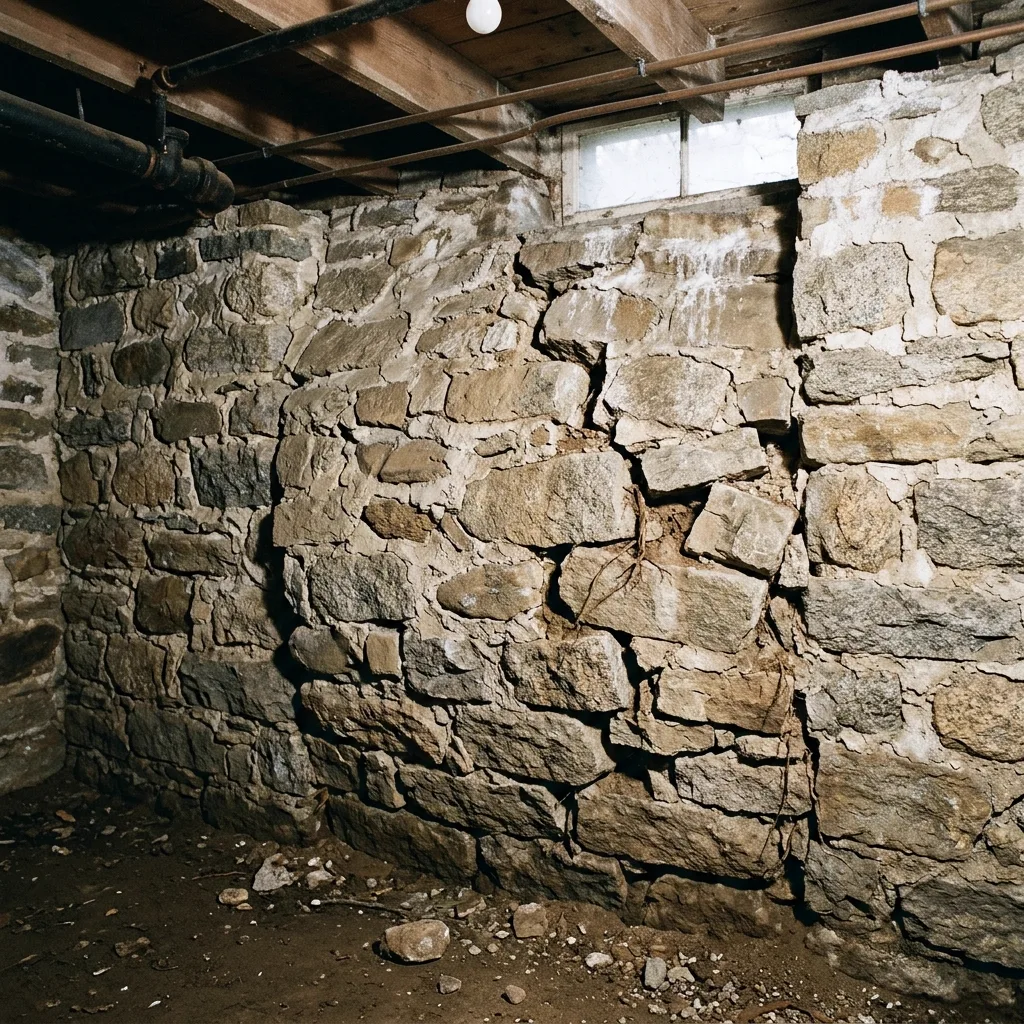
"What is the best material for a retaining wall?" is one of the most common questions homeowners ask before starting a project. The honest answer: there is no single best material — only the best material for your specific wall, given height, budget, aesthetics, and site conditions.
The Five Main Retaining Wall Materials
1. Natural Stone (Bluestone, Granite, Fieldstone)
Best for: Higher-end residential properties, traditional and natural landscape designs, walls visible from main living spaces.
Pros: Longest service life (50-100+ years), best aesthetics, ages beautifully, unique character. Each stone is one-of-a-kind. Excellent freeze-thaw durability.
Cons: Most expensive option. Requires more skilled labor. Heavy — sometimes requires equipment access.
2. Dry-Stacked Fieldstone
Best for: Traditional New England properties, garden walls, lower walls (under 3-4 feet), naturalistic landscapes.
Pros: Authentic historic look. No mortar to fail. Drains freely. Centuries of proven longevity. Particularly fitting on properties with existing fieldstone walls.
Cons: Requires very skilled labor (the technique is harder than mortared work). Limited maximum height (usually 3-4 feet without engineering). Sourcing matching stone can be a challenge.
3. Segmental Block Systems (Versa-Lok, Allan Block, Belgard)
Best for: Walls 3-8 feet, budget-conscious projects, areas with good geogrid soil reinforcement.
Pros: Engineered systems with predictable structural performance. Wide range of styles and colors. Good cost-to-performance ratio. Can include built-in geogrid reinforcement on taller walls.
Cons: Less natural appearance than stone. Color/finish can fade over decades. May not fit traditional or historic landscapes well.
4. Mortared Stone or Brick
Best for: Formal landscape designs, walls under 4-5 feet, traditional architecture (colonial, federal, historic homes).
Pros: Strong, formal appearance. Excellent for shorter walls. Good fit with brick or stone homes.
Cons: Requires excellent drainage and proper expansion joints to prevent freeze damage. Mortar joints can fail and require repointing. Less forgiving than dry-laid construction.
5. Poured Concrete
Best for: Tall walls, structural applications, walls that will be faced with stone or block veneer.
Pros: Excellent structural performance. Can handle heights other materials cannot. Often used as the structural core with stone or block veneer applied for aesthetics.
Cons: Pure concrete is unattractive on its own. Requires forms and significant equipment. Often the right structural answer combined with another material as facing.
How to Choose
By Height
- Under 3 feet: Any material works. Often comes down to budget and aesthetics.
- 3-4 feet: Natural stone, dry-stacked fieldstone, segmental block, or mortared stone all work. Above this height, dry-stacked fieldstone usually needs engineering.
- 4-8 feet: Segmental block systems with geogrid, or mortared natural stone with engineering, are the most common choices.
- Over 8 feet: Engineered systems are essentially required. Often poured concrete cores with stone or block facing.
By Aesthetic
- Traditional / colonial home: Mortared stone or brick.
- Country / farmhouse / informal landscape: Dry-stacked fieldstone.
- Contemporary home: Segmental block with clean lines, or modern stone with regular coursing.
- Historic home: Match existing materials on the property — often mortared stone or brick.
By Budget
- Most economical: Segmental block systems.
- Mid-range: Mortared brick, smaller-scale dry-stacked stone.
- Premium: Natural stone (bluestone, granite).
What Matters More Than Material Choice
Material choice affects appearance and cost more than it affects longevity. The variables that determine whether a retaining wall lasts 5 years or 50 years are mostly invisible:
- Footing depth (must be below frost line — 42" minimum in CT).
- Drainage stone behind the wall.
- Perforated drain pipe at the base.
- Backfill specification (crushed stone, not native soil).
- Geogrid reinforcement on walls over 4 feet.
- Wall batter (slight backward lean).
A poorly built natural stone wall fails faster than a properly built segmental block wall. The construction matters more than the material.
When to Call a Professional
The right material for your retaining wall depends on factors that are best discussed on-site: actual height needed, soil conditions, drainage situation, neighboring slope, and the visual context of the rest of your property. We provide free site visits and written recommendations covering material options at different price points. View our retaining wall services →
Get Material Recommendations for Your Project
We discuss material options on-site, with cost ranges for each — so you can make an informed choice.
Schedule a Site Visit