
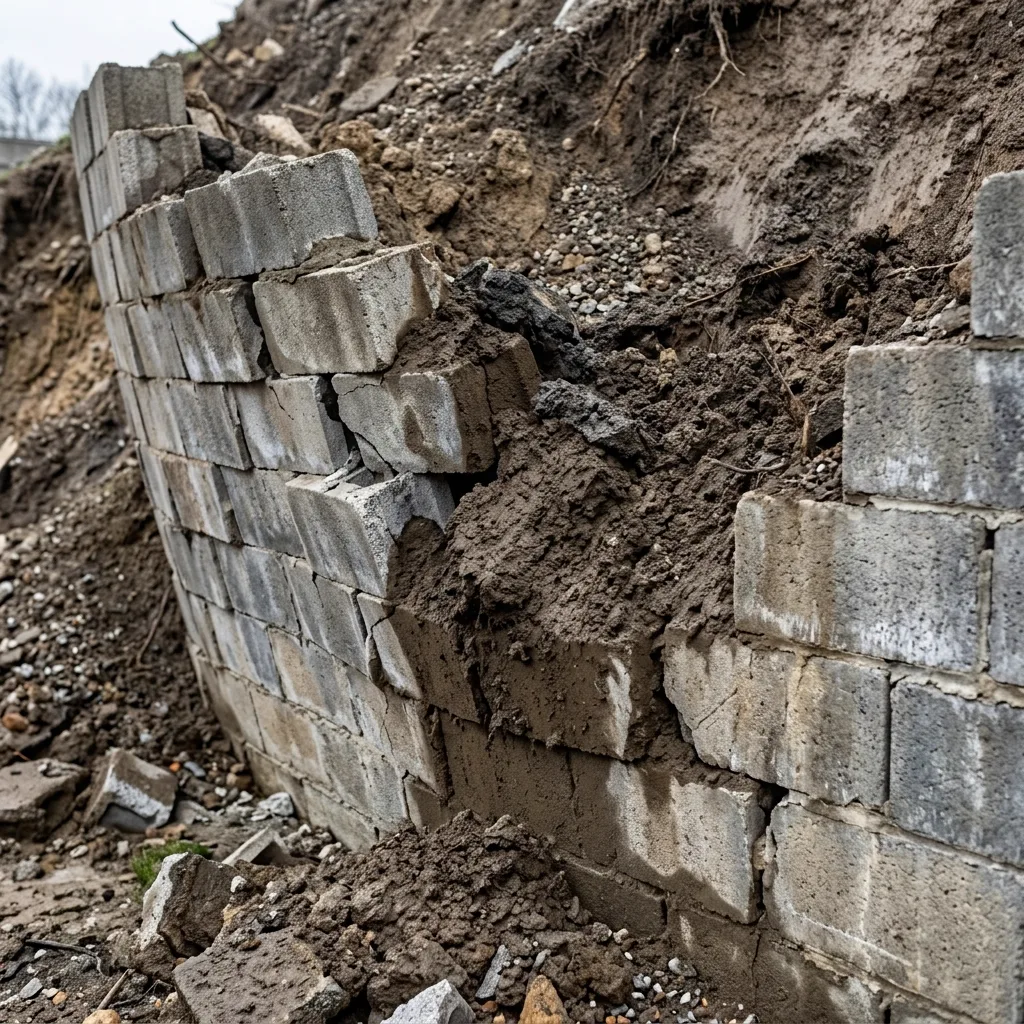
Retaining walls are a staple of Connecticut landscaping. They hold back hillsides, stabilize uneven New England yards, and add tremendous curb appeal. However, after a long winter, many homeowners step outside in the spring only to notice their beautiful stone wall is now bulging, cracking, or leaning.
The Culprit: Frost Heave and Hydrostatic Pressure
The harsh winter climate in Connecticut combines heavy snowfall, ice, and rapid temperature changes. The primary reason retaining walls fail after winter boils down to poor drainage and freezing water.
- Hydrostatic Pressure: When the ground behind your retaining wall becomes saturated with melting snow, the water adds immense weight—amounting to tons of extra pressure pushing outward against the stone or block.
- Frost Heave: When that saturated soil freezes, it expands. This expansion (frost heave) exerts a sheer force against the wall. A poorly built wall without deep footings or adequate drainage will be pushed forward, causing bowing and cracking.
Signs Your Retaining Wall Needs Repair
Catching these early signs can save you from a complete retaining wall collapse:
- Bowing or Bulging: Even a slight curve outward indicates the wall is losing the battle against the heavy, wet soil behind it.
- Cracking: Horizontal cracks in block or concrete walls indicate structural failure. Diagonal cracks or crumbling mortar in natural stone walls mean the foundation has shifted.
- Forward Leaning: If the wall feels like it's starting to tip over, the footings may have been compromised by freeze-thaw cycles.
- Clogged Weep Holes: Weep holes are meant to let water drain from behind the wall. If they are clogged or missing, failure is inevitable.
How We Fix It (And Fix It Right)
Repairing a retaining wall isn't just about pushing the stones back into place. At Innovative Masonry & Restoration, we solve the root cause so the wall survives the next Connecticut winter without flinching.
Our solutions include digging proper trench footings below the frost line to prevent frost heave, and installing comprehensive backfill drainage systems (including clean crushed stone and proper weep holes) to ensure water drains freely instead of turning to ice. For a real-world example of a multi-tier stone retaining wall built to withstand Connecticut winters, see our completed project at Stanwich School in Greenwich, CT. For a full overview of what we offer, visit our residential masonry services page.
Is Your Wall Leaning?
We build retaining walls made to last in Connecticut. Get a free expert assessment today.
Schedule a Free Assessment