When homeowners notice water stains, efflorescence, or damp spots on a brick wall, a common instinct is to seal it. Hardware stores sell dozens of waterproofing products for masonry, and the labels are convincing. The problem is that sealing brick the wrong way — which is unfortunately the most common way — traps moisture inside the wall rather than keeping it out, and dramatically accelerates the damage it was supposed to prevent. Here is what you actually need to know before applying anything to a brick wall.
Why Brick Walls Need to Breathe
All masonry walls — brick, stone, and block — allow small amounts of moisture to move through them. This is by design. Historic brick construction, in particular, was built on the principle of "absorb and release": the wall takes in some moisture and then breathes it back out as vapor. Mortar joints in pre-1930 buildings are specifically formulated to be softer than the brick so that stress and moisture movement happen at the joint, not the brick face.
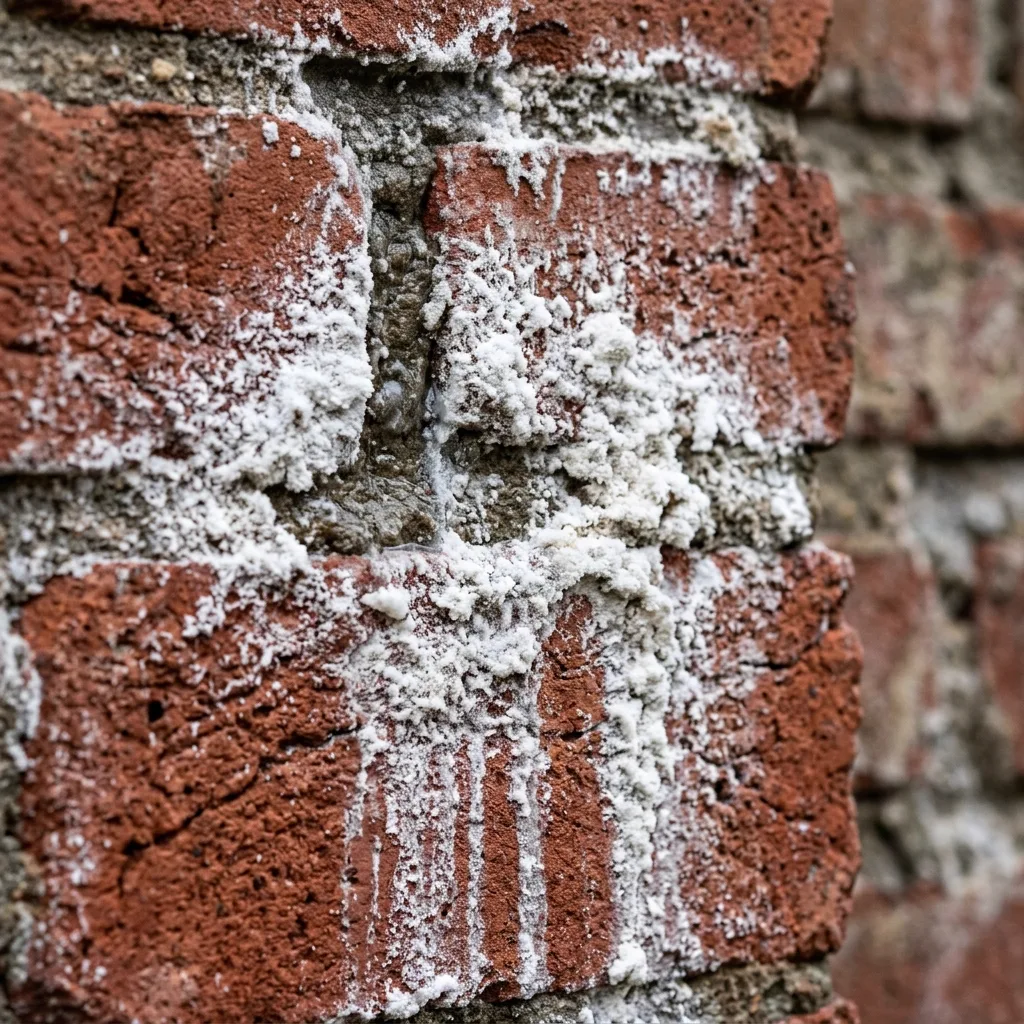
When you apply a non-breathable coating to the outside of that wall, you do not stop moisture. You stop the wall from releasing it. Moisture that works in through any crack — a failed joint, a gap at a window, groundwater wicking up from grade — has nowhere to go. It builds up behind the coating, freezes in winter, and destroys the brick from the inside. Spalling, which looks like the brick face popping off, is the classic result of this exact scenario.
The Two Types of Masonry Sealers
Film-Forming Sealers (Avoid on Brick Walls)
These products — including many silicone-based coatings, clear waterproofing paints, and elastomeric coatings — form a barrier on the surface of the brick. They reduce the wall's vapor permeability, trapping moisture inside. They also tend to yellow, peel, and delaminate over time, which is both ugly and difficult to remove. Historic preservation guidelines prohibit them on any historic masonry for good reason.
Penetrating Silane/Siloxane Sealers (Sometimes Appropriate)
Penetrating sealers — specifically silane-siloxane blends marketed as "breathable" masonry water repellents — work differently. They penetrate into the pores of the brick and chemically bond to the silica, making the pores hydrophobic (water-repelling) without closing them. Vapor can still pass through; liquid water is repelled. These are substantially less harmful than film-forming coatings, but they are still not a substitute for fixing failing mortar — they only reduce surface water absorption, they do not stop water that enters through cracks or failed joints.
The Right Order of Operations
This is the most important thing to understand about sealing brick: sealing should always be the last step, never the first. Before any sealant is applied:
- Failed mortar joints must be repointed. A sealer cannot bridge a failed joint. Water will continue entering at every failed joint regardless of what is applied to the brick face.
- Any active water infiltration sources must be addressed. Failed flashing, missing coping, improperly graded soil against the wall — these are entry points no surface sealer addresses.
- Efflorescence must be cleaned and the source resolved. Sealing over active efflorescence traps the salts inside the wall where they continue to do damage.
A breathable penetrating sealer applied after all of the above is a reasonable addition for certain high-exposure situations: chimney caps, parapet tops, retaining walls subject to heavy spray. It is not universally needed and is often skipped entirely on well-maintained brick that has good mortar and proper flashing.
What Never to Apply to a Brick Wall
- Latex or oil-based paint: Entirely non-breathable. Guaranteed to cause spalling over time. Removing it requires sandblasting or chemical stripping — both of which damage the brick face.
- Hydraulic cement or mortar applied as a coating: Does not bond well to brick faces, cracks quickly, and traps moisture.
- Silicone spray or caulk-type sealers applied to joints: These do not bond well to masonry and crack apart within a few freeze-thaw cycles.
- Elastomeric waterproof coatings: These are film-formers. Appropriate for poured concrete in limited situations, but problematic on brick.
Historic Brick: Extra Caution Required
Pre-1930 brick — softer, more porous, and lime-mortar bonded — is particularly vulnerable to damage from improper sealing. The National Park Service's preservation guidelines (Preservation Brief #1) explicitly prohibit non-breathable coatings on historic masonry. Even breathable sealers should be tested on a small inconspicuous area first and confirmed to maintain adequate vapor permeability before full application. When in doubt, the answer for historic brick is almost always: fix the mortar, fix the flashing, and leave the brick alone.
If Water Is Getting In, Fix the Source First
Ninety percent of brick water problems trace back to two things: failed mortar joints and failed flashing. Both are masonry repairs. A surface sealer does not address either of them. If you have a water problem, the correct first step is an assessment of the mortar joints and all water entry points — not a trip to the hardware store for a coating.
We diagnose masonry water problems and provide written estimates for proper repairs across Connecticut. Schedule an assessment →
Dealing With a Water Problem in Your Masonry?
We identify the source, repoint failed joints, repair flashing, and advise honestly on whether a sealer is appropriate. Free written estimates across Connecticut.
Get a Free Assessment