
Chimney Repair in Connecticut
Innovative Masonry & Restoration
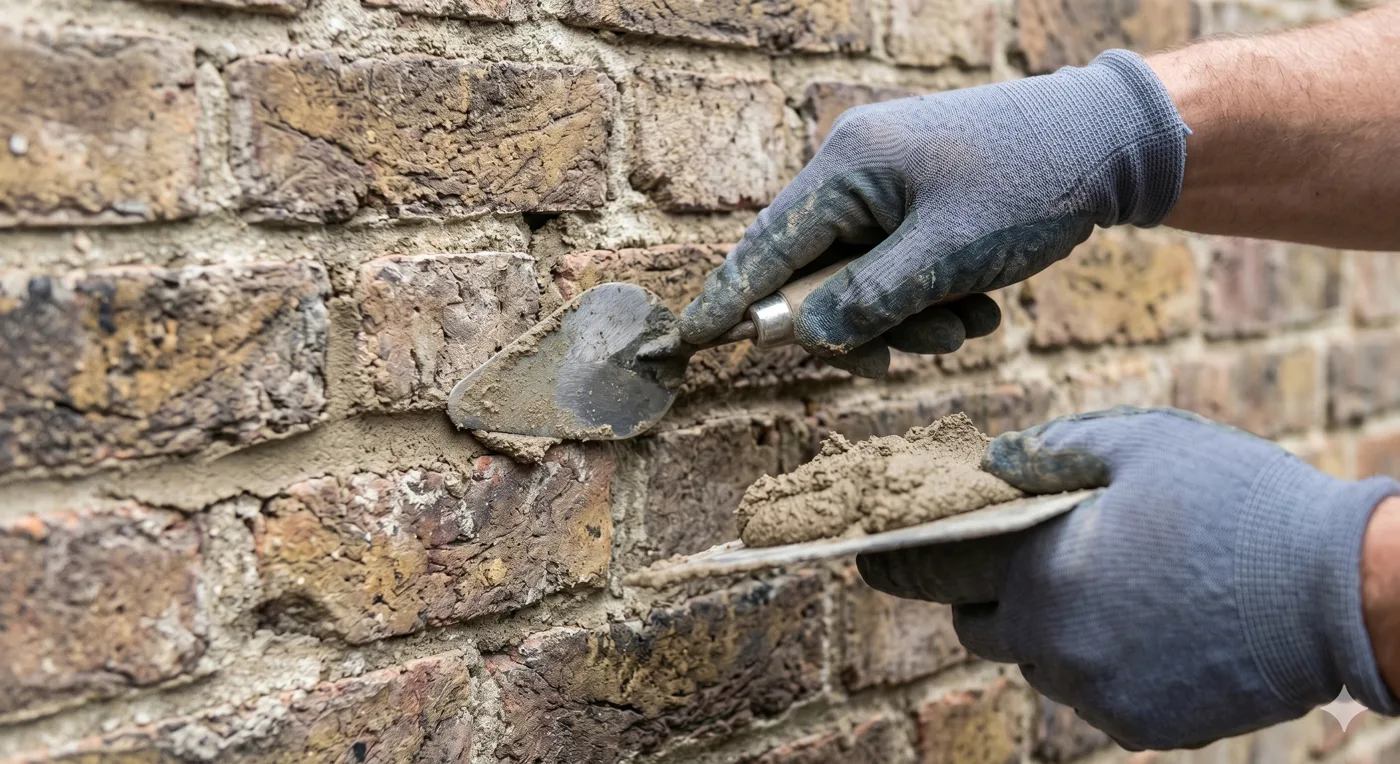
Of all the masonry on a Connecticut home, the chimney takes the worst beating. It's exposed to weather on four sides, sees more sun and rain than any other surface, and gets the harshest freeze-thaw cycling because of its height and exposure. So it's no surprise that chimneys are the most common masonry repair we do.
Innovative Masonry & Restoration provides full chimney repair services across Fairfield, New Haven, Hartford, Middlesex and Litchfield Counties — from minor crown patches to complete rebuilds above the roofline. We focus on the structural masonry side of chimney work; we are not a sweep or liner company.
Common Chimney Problems We Repair
- Spalling brick: Brick faces popping off or crumbling, usually starting at the corners or top rows.
- Failed mortar joints: Sandy, missing, or cracked mortar between bricks — the most common cause of chimney leaks.
- Cracked or missing chimney crown: The concrete cap on top of the chimney that sheds water away from the masonry.
- Damaged chimney cap: The metal cover over the flue opening that keeps animals and rain out.
- Failing flashing seal: Where the chimney meets the roof — the joint that fails first and causes ceiling leaks below.
- Leaning or tilting chimney: Almost always a sign of foundation or footing issues that need immediate attention.
- White staining (efflorescence): Active water infiltration carrying minerals to the brick surface.
Chimney Repointing & Tuckpointing
The single most common chimney repair is repointing — removing failed mortar joints and packing them with fresh, properly matched mortar. Done early, this is a few hundred to a few thousand dollar job that prevents the much bigger expense of a full chimney rebuild.
We cut joints to proper depth (typically 3/4" to 1"), clean them thoroughly, and pack mortar in layers to eliminate voids. For older homes, we use lime-compatible mortars that work with the original masonry rather than fighting it.
Chimney Crown Repair & Rebuild
The chimney crown — the concrete or mortar cap on top of the chimney — is the first defense against water entering the chimney structure. Cracked or missing crowns let rain pool inside the chimney, soaking the brick from the inside and accelerating spalling.
Minor crown cracks can be sealed with elastomeric crown sealants. For seriously cracked, crumbling, or missing crowns, we form and pour a new crown in place — sloped to shed water, with a proper drip edge and an isolation joint around the flue tile.
Chimney Rebuilds Above the Roofline
When a chimney has reached the point where individual repairs aren't economical — heavily spalled brick, structural cracks, leaning, or extensive crown failure — a partial rebuild above the roofline is often the right answer. We disassemble the chimney down to a sound coursing level, salvage what we can, and rebuild using matching brick, fresh mortar, a new crown, and proper flashing integration.
Most rooftop rebuilds are completed in 2-4 days depending on chimney size and access.
Chimney Flashing Repair
Flashing is the metal seal between the chimney and the roof — the most common source of ceiling leaks below a chimney. The masonry side of flashing repair (the counterflashing reglet cut into the brick joint) is masonry work; the roofing side (step flashing under the shingles) is roofing work. We handle the masonry side and coordinate with your roofer when both are needed.
Chimney Caps & Spark Arrestors
If your chimney is missing a cap — or has a rusted-out cap — it's collecting rain and inviting animals into your flue. We install stainless steel and copper chimney caps sized to your specific flue, with a built-in spark arrestor screen.
What Happens If You Wait
Chimney problems escalate quickly in Connecticut's climate. A few open mortar joints in October become a leaking, spalled chimney by April. A small crown crack becomes a major rebuild. Catching chimney issues early — and addressing them before winter — almost always saves significant money compared to deferred repairs.
Service Area
We serve homeowners throughout Fairfield, New Haven, Hartford, Middlesex and Litchfield Counties, Connecticut — including New Haven, Hamden, Branford, Hartford, West Hartford, Middletown, Cheshire, Wallingford, Waterbury, Meriden, and surrounding towns.
Frequently Asked Questions
How much does it cost to rebuild a chimney in Connecticut?
Chimney rebuild and repair cost depends heavily on what is actually needed: repointing, crown repair, partial rebuild above the roofline, or full rebuild are all different scopes of work with very different price points. The variables include chimney size and height, access requirements, brick type and matching, crown specification, and any required flashing or roof coordination. The honest answer is that an accurate cost requires looking at your specific chimney. We provide free written estimates after a site visit and recommend the smallest scope of work that actually solves the problem.
What's the difference between a chimney crown and a chimney cap?
The crown is the concrete or mortar cap that covers the entire top of the chimney structure — it's part of the chimney. The cap is the small metal cover over the flue opening itself. You need both: the crown protects the chimney masonry, the cap keeps rain and animals out of the flue.
How do I know if my chimney needs repair vs rebuild?
If the brick is mostly sound but mortar joints are failing, repointing is the right call. If individual bricks are spalling but the structure is straight and stable, selective brick replacement plus repointing may work. If multiple courses of brick are deteriorated, the chimney is leaning, or the crown is severely cracked — a partial rebuild is usually the right answer. We assess and recommend honestly.
Do you do chimney sweeping or relining?
No — we focus on the structural masonry side: repointing, crown repair, brick replacement, rebuilds, flashing, and caps. We work alongside chimney sweeps and lining contractors when their work is needed too. If you need a full Level 2 inspection or relining, we can refer you to trusted partners.
How long does a chimney repair last?
Repointing on a chimney typically lasts 15-25 years before another round is needed. A properly built crown can last 20-30+ years. A full rebuild above the roofline is good for 30-50 years if maintained. The biggest factor is proper mortar selection and quality of installation.
Can I repair a leaning chimney?
It depends on the cause. If the lean is from foundation settlement, the underlying issue must be addressed first or the rebuild will lean again. If the lean is structural — typically from years of water damage to the upper portion — a partial rebuild above the roofline often resolves it. We assess the cause before proposing a fix.
Why do I have water leaking at the bottom of my chimney?
Water at the base of a chimney almost always means failed flashing, a cracked crown, missing chimney cap, or failed mortar joints letting rain into the structure. The water travels down the inside or back of the chimney and shows up at the base. We diagnose the source — flashing, crown, cap, or mortar — and provide a written repair estimate. Patching the visible leak without finding the source means it returns within a few seasons.
Can you fix the white stains on my brick chimney?
Yes — those white stains are called efflorescence, and they're the visible sign that water is actively moving through your chimney masonry. Cleaning them off without addressing the underlying water issue means they return. We identify the water source (usually failed mortar, a cracked crown, or missing cap), repair it, then clean the existing efflorescence. We have a full article on efflorescence at /articles/what-is-the-white-powder-on-my-brick/.
Local Service Areas
We work directly with homeowners and property owners in cities across our service area. For service-specific information by location:
Get a Chimney Repair Estimate